

When it comes to ensuring a safe and effective home, power inspections are frequently overlooked by many homeowners. Nonetheless, the startling truth is that failing to address these essential evaluations can result in serious hazards, including the risk of fire, electrical failures, and even damage to your property. An electrical inspection is more than a routine task; it is a crucial step in safeguarding the safety and operation of your home’s electrical system.
Recognizing the importance of electrical inspections can save you from costly repairs and dangerous situations. From identifying common issues such as outdated wiring to assessing the safety of your electrical systems, these inspections play a critical role in protecting your family and your investment. As we explore the reasons why electrical inspections are essential, we will examine the various aspects, from what to expect during an inspection to the unique considerations for older homes and commercial buildings.
Comprehending Power Inspections
Electrical inspections are critical assessments that evaluate the integrity and performance of a structure's electrical network. These evaluations are carried out by licensed professionals who analyze the electrical connections, devices, and electrical parts to confirm they adhere to current safety standards and codes. The aim is to detect potential dangers, issues, and cases of nonconformance that could result in severe problems, such as blazes or system malfunctions.
The importance of these evaluations cannot be ignored. They help protect inhabitants and assets by spotting typical problems like overburdened circuits, faulty cables, and deteriorating parts. Regular inspections also promote proper care and help homeowners and commercial property owners avoid pricy repairs or upgrades down the road. Furthermore, these evaluations are especially crucial for older homes, where old wiring may not satisfy current safety requirements.
Property owners should be proactive about planning electrical inspections, whether for ongoing care, security, or when planning to market a building. Knowing what to anticipate during these inspections can ease concerns and make certain that necessary safeguards are taken. By keeping up with regular inspections, individuals can safeguard their homes, save on energy costs, and enhance the overall performance of their power systems.
Common Issues and Security
During electrical inspections, inspectors often uncover a number of typical issues that can pose grave safety concerns. Among Discover more are outdated wiring, which may fall short of current safety standards. This obsolete infrastructure can lead to overheating and electrical fires. Additionally, improper connections or overloaded circuits can lead to short circuits, increasing the risk of accidents that could jeopardize both property and lives.
Another common issue is the lack of inadequate grounding and bonding. Without adequate grounding, electrical systems cannot effectively release excess electricity, which can lead to electrical shocks and equipment damage. Inspectors often discover issues with GFCI outlets, especially in areas prone to moisture, such as kitchens and bathrooms. These outlets are meant to protect against electrical shock, and their nonfunctioning status or malfunction can create hazardous situations.
The safety implications of neglecting these common issues cannot be overstated. Electrical malfunctions not only pose risks to homeowners but can also affect the safety of entirety of neighborhoods. Regular inspections aid identify these hidden dangers early on, enabling swift corrective actions. By ensuring that all electrical systems are in compliance, homeowners can protect their property and more importantly, the health of their families and guests.
Preparing for an Electrical Inspection
Getting ready for an electrical inspection is essential to ensure the process goes efficiently. First, homeowners should collect any relevant documents, including previous inspection reports, diagrams of the electrical system, and any guarantees or receipts for recent electrical work. This information can provide the evaluator with a comprehensive understanding of the home’s electrical history and any changes that have been made historically.
Next, homeowners should conduct a thorough inspection of their property to identify any visible issues or concerns. Look for frayed wires, outlets that are overloaded, or unstable lighting, and make note of these potential problems. It’s also important to remove any blockages from entry points such as electrical boxes, outlets, and circuit breakers to make it simpler for the evaluator to perform their evaluation.
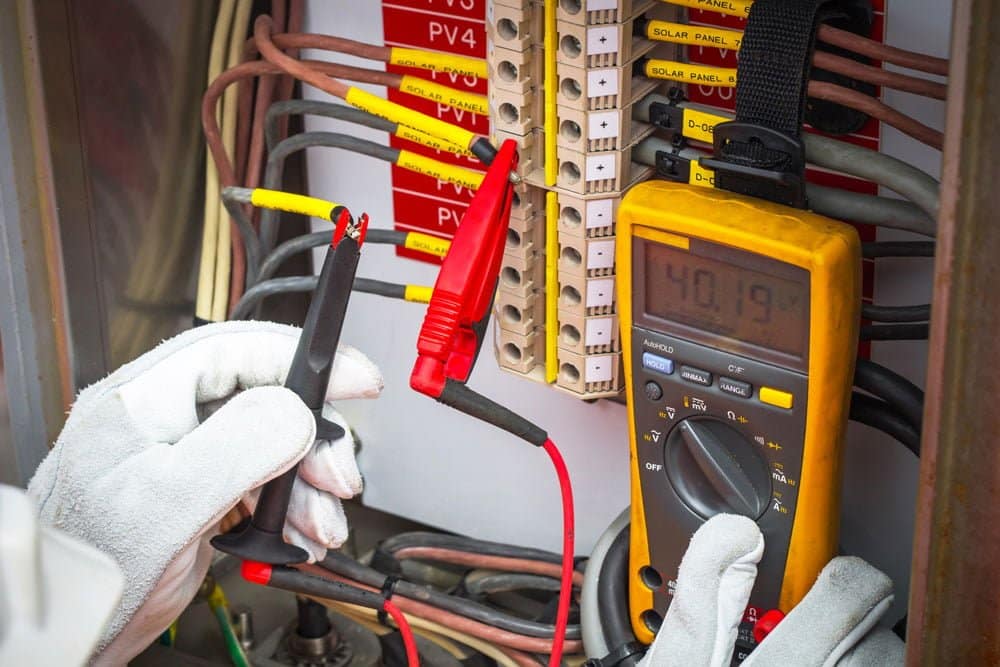
Finally, communicating openly with the electrical inspector can make a big difference. Be prepared to answer questions about your home’s electrical consumption and any specific concerns you may have. This collaboration can lead to a more effective inspection process, ensuring that all components of the electrical system are completely evaluated and any required recommendations are made.