

In an constantly changing automotive landscape, used cars continue to be a favored choice for many drivers looking for a reliable and economical option. Whether you're a new car buyer, a veteran car owner, or simply someone in need of a replacement vehicle, traversing the used car market can be both exciting and daunting. With myriad options available, knowing what to watch out for and what pitfalls to avoid is essential.
The following article dives into real stories from individuals who have purchased used cars, offering valuable information and useful suggestions to help you make informed decisions. From important guidance on inspections and financing to conversations on dependability and value, our manual will prepare you with the wisdom needed to navigate the world of used cars in 2026. Come along as we investigate the benefits, challenges, and the nuances when it comes to purchasing and maintaining second-hand automobiles.
Important Buying Advice for Used Cars
When embarking on the process to acquire a used car, it is essential to start with thorough research. Familiarize oneself with the trends in the market, vehicle costs, and the varieties of cars suitable for your purposes. Websites like Kelley Blue Book as well as Edmunds can provide insights into the fair market value of specific makes and models. Knowing the mean price range assists you create a budget and set expectations. This preparation will be essential as you begin to explore your options and interact with sellers.
Next, always emphasize a thorough inspection and test drive before finalizing any agreements. A visual inspection can show a great deal about a car's state, from blemishes and rust to tire wear and cleanliness of the interior. During the test drive, note to how the vehicle drives, any unusual noises, and the operation of all parts, including braking, lights, and air conditioning. Feel free to invite a reliable mechanic who can evaluate the car’s mechanical condition and detect potential red flags that could cause expensive repairs down the line.
In conclusion, be willing to bargain. Many vendors look for this to be part of the purchasing process, particularly when it comes to second-hand cars. Use your research as a tool, highlighting any issues you found during the inspection or differences in pricing against other advertisements. Determine a maximum amount you are able to offer and stick to it. Good negotiation can bring about significant financial benefits, ensuring you get the most advantageous deal possible on your latest vehicle while staying within your financial limits.
Inspection and Review Methods
When it comes to purchasing a second-hand car, detailed inspection and evaluation are vital steps in making certain you make a wise investment. Start by inspecting the exterior for any indications of damage, rust, or poor paint matches that could point to previous accidents. Look carefully at the tires for even wear, which can signal proper alignment, and check for any indications of leaks under the vehicle, as these can signify underlying mechanical issues. Don't be afraid to take a few moments to evaluate the condition of the headlights and taillights to make sure all lights function properly.
Once you have completed a visual inspection, it's essential to move on to a comprehensive assessment of the interior features. Test the operation of all controls, the sound system, air conditioning, and other essential components. Pay close attention to the condition of the upholstery and the presence of any unusual odors, which might suggest hidden problems like water damage or mold. Additionally, inspect the dashboard for any warning lights that may illuminate when the ignition is turned on, as these could signal reliability concerns that need to be addressed.
Finally, taking the car for a test drive is one of the critical evaluation techniques. During the drive, pay attention to how the vehicle responds in various conditions, such as gaining speed, braking, and turning. Listen for any unusual noises that may signal mechanical issues, and be cautious of any vibrations that could indicate alignment problems. A well-rounded inspection process not only assists you identify potential issues but also empowers you to negotiate confidently if you opt to move forward with the purchase.
Financing and Putting Money in Used Cars
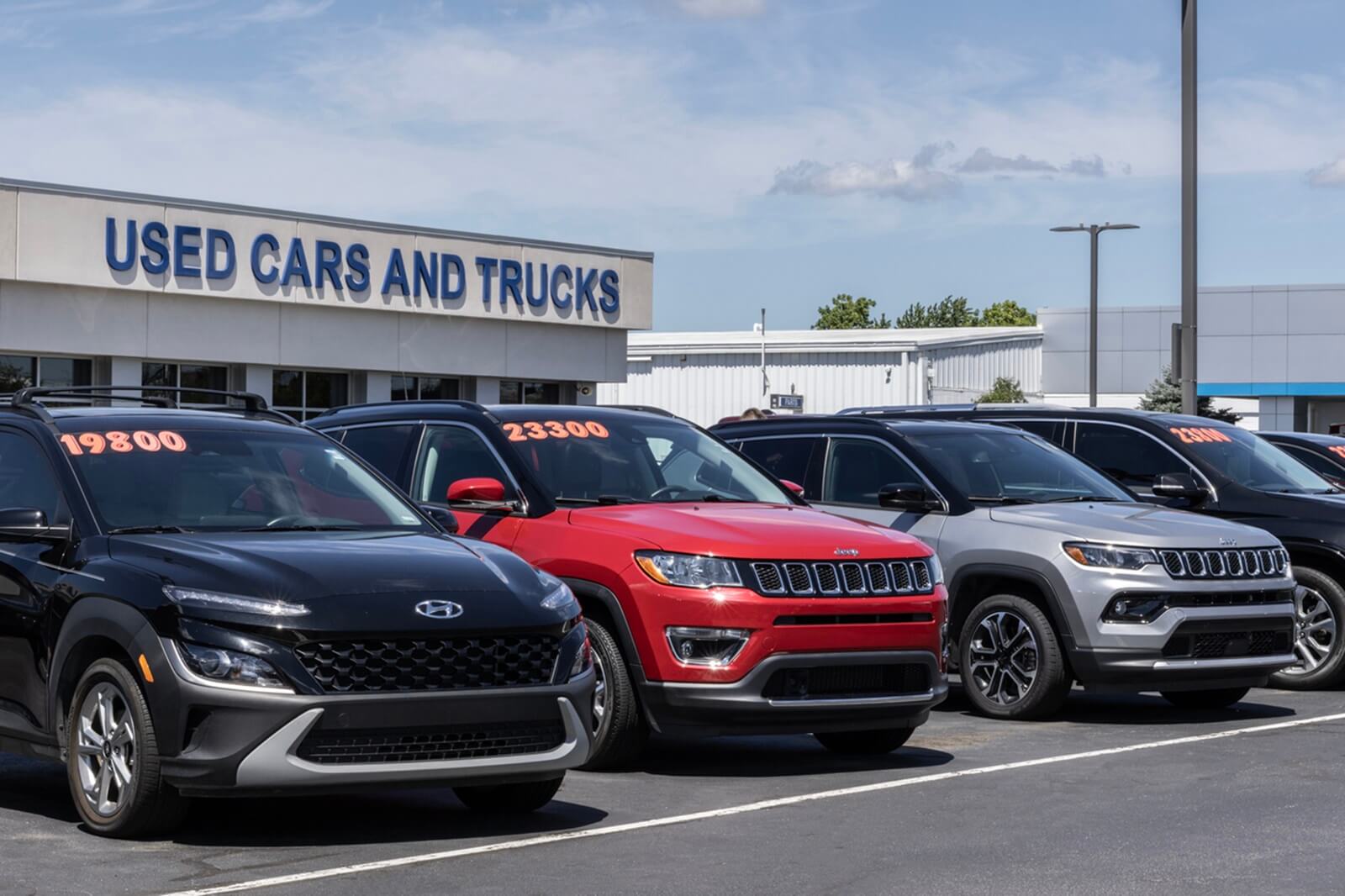
When thinking about the purchase of a used car, comprehending lending possibilities is crucial. Many shoppers often ignore the various loan formats available, which can greatly influence the total price of ownership. Whether https://carsforsaleworcestershire.co.uk/ looking at traditional bank loans, credit unions, or dealership credit, it's important to compare for the best interest rates and conditions. Evaluate offers to find the one that matches your spending limit, and think about getting pre-approved for a loan before you start shopping. This can give you a clear idea of how much you can afford and strengthen your negotiating position.
Investing in used cars can also be a smart financial decision, especially when you research thoroughly. Pre-owned cars typically lose value at a decelerated rate than new vehicles, meaning they can retain their value more efficiently over time. Investigating models that are known for their reliability and resale value can lead to a more rewarding return. Don't forget to consider additional costs such as insurance, maintenance, and fuel efficiency, as these can influence the long-term value of your vehicle.
Additionally, grasping the market trends can help you make a more informed decision. Seasonal trends, such as planning your purchase for the end of the model year or during holiday promotions, can provide substantial savings opportunities. Being conscious of the best occasions to buy pre-owned cars can lead to enhanced negotiating power and possibilities to find quality vehicles at more affordable prices. Always consider to evaluate your options thoroughly and focus on long-term value over immediate reward.