

With the sweltering heat of summer knocking at your door, ensuring your home is equipped with a efficient air conditioning system becomes a primary priority. Regardless of whether you're moving into a different location, upgrading an old unit, or preparing for upcoming construction, understanding the details of air conditioning installation can make all the difference. This article serves as your indispensable guide, providing tips and information to manage the installation process easily and successfully.
From selecting the appropriate air conditioner to understanding the costs involved, you'll find important information that can help convert your living space into a cool oasis. We aim to equip you with knowledge about the benefits of professional installation, the value of proper sizing, and avoiding common pitfalls that many homeowners encounter. Thus, let’s delve into the world of air conditioning installation to ensure you're prepared to enjoy the cool comfort when the temperatures rise.
Choosing the Ideal Air Conditioner
Deciding upon the appropriate air conditioner for your home is crucial for achieving optimal comfort and efficiency. Commence by assessing your specific cooling needs based on the size of your space, insulation quality, and the local climate. A unit that is too small will have a hard time to cool your home, while one that is too large can lead to suboptimal energy use and inadequate humidity control. Consulting with an expert can help you determine the correct capacity for your air conditioning system, typically measured in BTUs.
Reflect on the type of air conditioner that most suits your home environment. Central air conditioning systems are perfect for cooling complete residences and can integrate with existing ductwork. On Learn here , ductless mini-split systems offer versatility and efficiency for homes that do not have ducts or for specific areas needing specific cooling. Each option has its own list of advantages, so consider factors such as installation costs, upkeep requirements, and energy efficiency ratings before deciding.
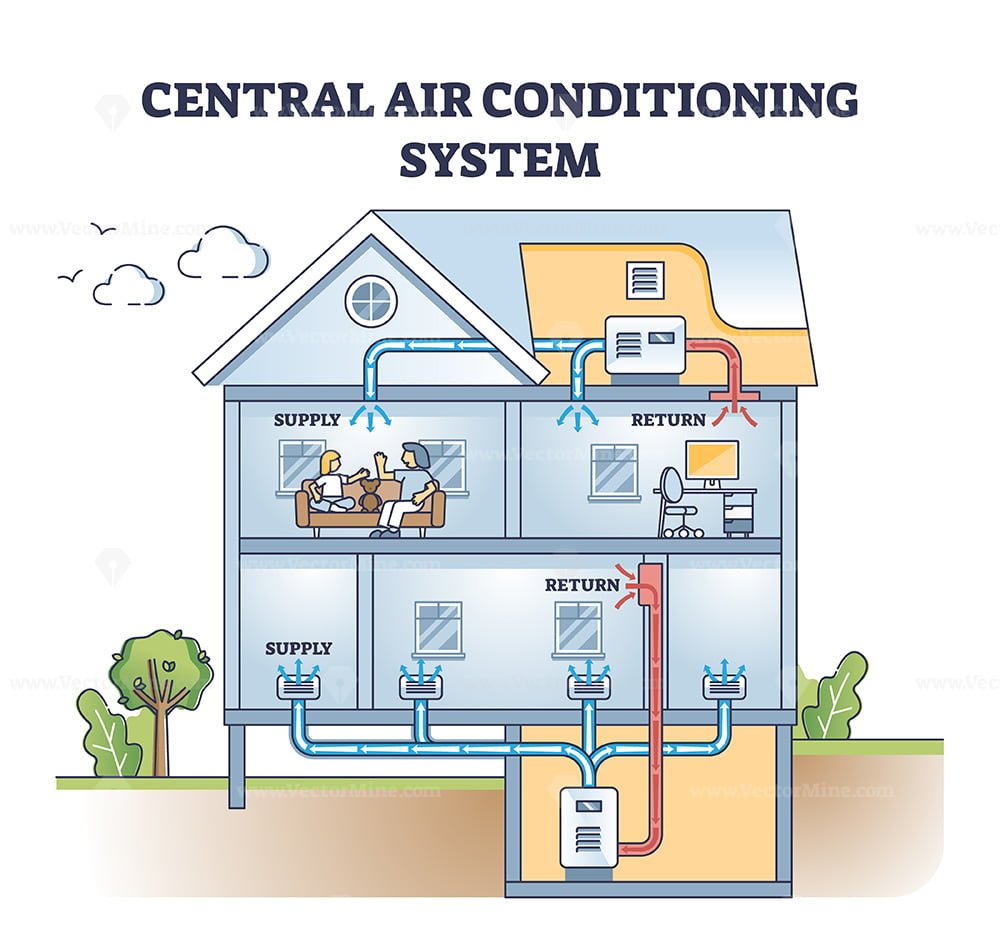
Finally, research the latest functionalities and technologies available in air conditioning systems. Look for efficient models that may qualify for rebates or tax credits, as well as systems featuring smart thermostats for improved control over your home's climate. Grasping these options will not only enhance your comfort but can also lead to lower utility bills and a greater overall investment in your property.
Setup Procedure Overview
Installing an air conditioning system requires several essential steps to ensure efficient operation and longevity. It generally commences with a thorough analysis of your home, in which professionals assess factors such as square footage, insulation, and existing ductwork. This evaluation helps determine the suitable type and size of the air conditioning system, which is essential for efficient cooling performance.
Once the right system is determined, the installation is ready to commence. This involves preparing the location for the indoor and outdoor units, including measuring and cutting openings for proper fit. The team will then install components such as the evaporator and condenser units, ensuring they are correctly connected to the electrical and drainage systems. Additionally, if necessary, ductwork may need to be adjusted or added to facilitate effective airflow throughout your home.
After the main installation tasks are finished, the final steps entail testing the system to ensure everything is operational. This requires checking the refrigerant levels and ensuring there are no leaks. The technician will also show how to operate your new air conditioning unit and detail important features. Proper installation is not only vital for immediate comfort but also contributes significantly in the longevity and efficiency of your new system.
Frequent Errors to Avoid
One of the more frequent errors during air conditioning installation is incorrect sizing of the unit. Many homeowners believe that a larger unit is superior, leading to the purchase of an oversized system. However, an incorrectly sized air conditioner can cause numerous issues such as poor cooling, increased energy costs, and excessive wear on the unit. It’s crucial to have a qualified technician conduct a load calculation to identify the correct size for your area.
Another frequent error is failing to consider the ductwork and insulation in your home. Insufficient ductwork can lead to air leaks, which reduces the overall efficiency of the AC system. Homeowners often underestimate the significance of sealing ducts and ensuring proper insulation, which is essential for maintaining the ideal indoor temperature and reducing energy consumption. Fixing ductwork issues before installation can save resources in the long run.
Finally, forgoing professional installation is a mistake many make in an attempt to save on costs. Do-it-yourself installation can lead to a myriad of problems, including incorrect installation, safety hazards, and voiding warranties. Hiring certified professionals ensures that the installation meets local codes and standards, ultimately providing a more reliable and efficient cooling system. Quality installation is a worthwhile investment that provides returns through enhanced performance and longevity.