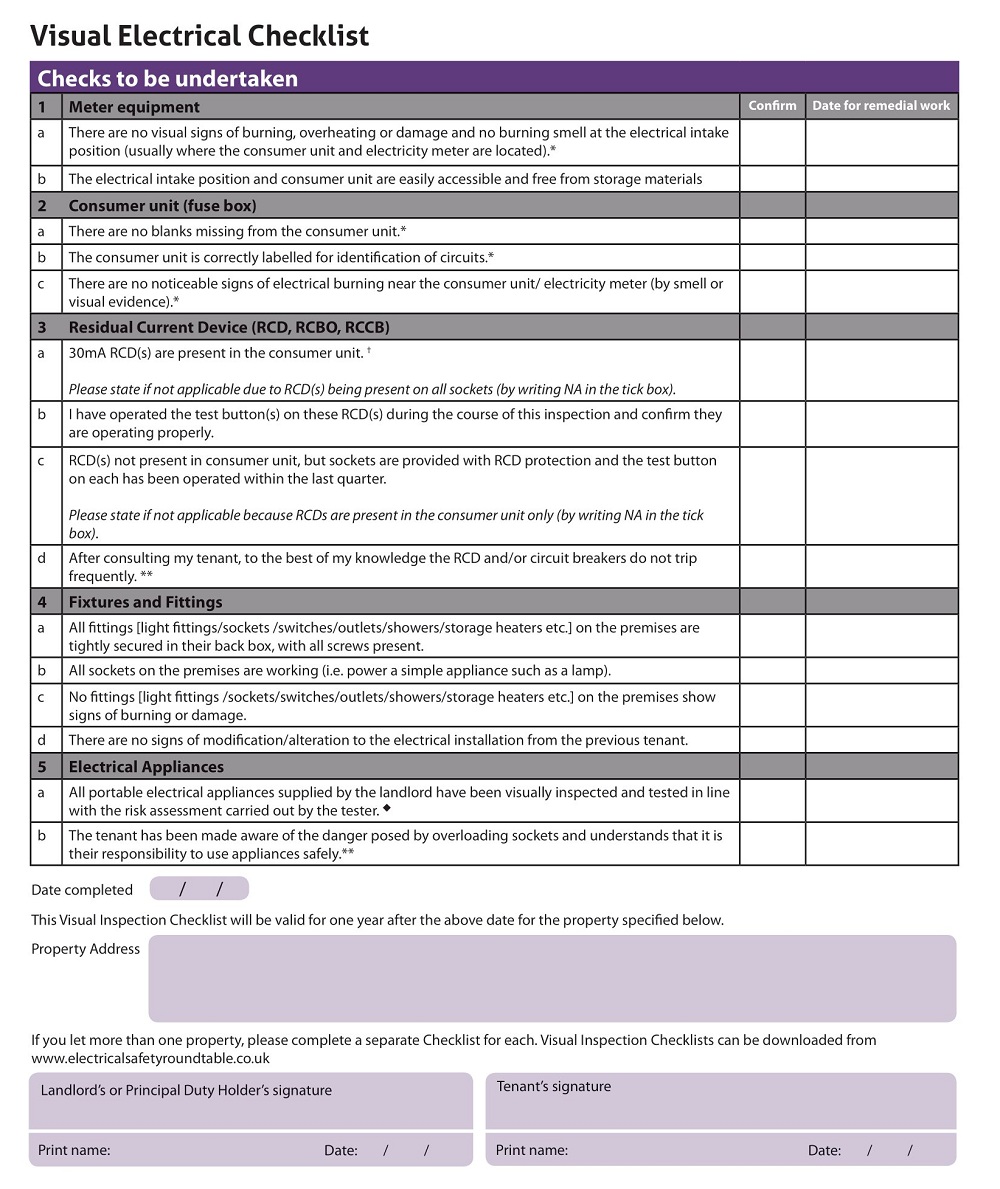
The safety of electricity is a key aspect of home and commercial maintenance that often goes overlooked. Countless people do not understand the potential hazards sneaking behind walls and beneath surfaces until it's too far gone. This is where electrical inspections come into effect. These comprehensive assessments help detect issues that could pose significant risks, such as the risk of fire, shocks from electricity, or malfunction of equipment. Understanding what an assessment of electrical systems entails and why it is important can safeguard lives and properties simultaneously.
From spotting typical problems to ensuring compliance with safety standards, electrical inspections play a important role in keeping both home and commercial properties secure. Whether you are a property owner, a first-time buyer, or a business owner, staying informed about the significance of these inspections can help safeguard your investments and ensure the safety of everyone in your premises. As we explore the aspects of electrical assessments, you'll discover how consistent assessments can stop disasters and promote a protected, efficient, and sustainable environment.
Comprehending Electric Inspections
Electric examinations are a vital aspect of domestic and industrial property maintenance. They entail a comprehensive evaluation of the electrical networks, connections, and components to confirm they satisfy hazard standards and regulations. The chief goal is to identify any likely risks or compliance violations that could present risks such as power fires or device failures. Frequent inspections help maintain safe settings for occupants and protect precious properties.
The importance of power examinations cannot be underestimated. They not only enhance safety but also function a vital role in enhancing energy efficiency. By spotting outdated or defective networks, assessments can lead to enhancements that increase the overall energy performance of a property. This anticipatory approach often results in lower power expenses and a reduced environmental effect, rendering it advantageous for both homeowners and companies.
For homeowners, comprehending the electrical inspection process is essential. During an assessment, a licensed expert assesses the condition of all electrical networks, from service panels to receptacles. They inspect for any signs of wear or damage and evaluate compliance with the latest power codes. Knowing what to expect can alleviate worries and make certain that necessary corrections are promptly handled, ultimately safeguarding both the property and its residents.
Frequent Problems and Risks
During electrical assessments, several typical concerns can be detected that pose threats to safety and functionality. One of the most usual problems is old electrical systems, which can lead to circuit failures and electrical fires. Vintage houses often have wiring that does not meet modern electrical standards or is made from materials that have deteriorated over time. Additionally, poor grounding and bonding can expose a property to electrical shocks and increase the likelihood of appliance malfunction.
Another significant concern is circuits that are overloaded, which can result from an increased number of devices plugged into a single outlet or circuit. This issue is particularly prevalent in older homes where the electrical systems were designed for a smaller capacity. Inspectors often find incorrect usage of extension cords and power strips, which, although convenient, can contribute to overheating and fires if not supervised properly.
Faulty installation of electrical components is also a key observation during inspections. This includes unsteady electrical connections, lacking protective plates, and faulty outlets or switches. EICR Certificates Fife can not only lead to risks to safety but can also affect the reliability of power systems in a home or structure. Resolving these frequent problems through regular inspections is vital to maintaining a secure and effective electrical environment.
The Importance of Routine Checks
Regular electrical checks are essential for upholding the protection and functionality of all property. As time goes on, wear and tear can lead to problems that may not be easily visible to residents or business owners. Inspections help detect possible dangers, such as damaged wiring, excessively loaded circuits, and old electrical systems that could pose fire hazards. By dealing with these concerns in advance, property owners can considerably reduce the risk of electrical failures and ensure the safety of their tenants.
Furthermore, routine evaluations play a vital role in compliance with local codes and legislation. Many areas require electrical inspections to fulfill safety requirements, especially in older properties or post significant renovations. By arranging routine checks, homeowners and landlords show commitment in maintaining safe living conditions. This conformance not only ensures the safety of residents but also helps prevent legal complications and fines related to compliance failures.
In addition to protection and conformance, routine electrical checks contribute to the overall performance and longevity of electrical systems. Finding and fixing issues can lead to decreased energy bills and better performance of electrical equipment. Homeowners and businesses that value these evaluations successfully protect their investments, increase the equity of their properties, and experience comfort knowing their electrical systems are in excellent shape.