

As homeowners, we frequently prioritize regular maintenance tasks like the cleaning of gutters and replacing air filters, however one essential aspect which deserves similar attention involves the electrical system. Electrical system inspections are vital for ensuring that homes are secure, functional, and compliant with regulations. Such inspections not only identify existing hazards and also help us avoid costly repairs down the line, making them a wise investment for all homeowner.
Many us may ask, what exactly is an electrical inspection and why is it important? In essence, electrical inspections are thorough evaluations of your home's electrical system carried out by licensed professionals. They assess all aspects from wiring and circuit breakers to outlets and grounding systems. In this article, we will discuss various aspects of electrical inspections, from common issues identified during these checks to the ways in which they can considerably enhance the safety and value of your home. Regardless of whether a seasoned homeowner or considering a new property, understanding the importance of electrical inspections can safeguard your investment and keep your family safe.
Comprehending Electric Inspections
Electric inspections are detailed assessments of a house's electrical infrastructure, performed by certified experts to ensure protection, performance, and compliance with legal standards. These assessments review multiple components, such as electrical wiring, electrical distribution boards, receptacles, and ground systems. By identifying potential hazards and regulatory non-compliances, electrical inspections serve a important role in protecting homes and their occupants from electric fires and other dangers.
The value of electric evaluations cannot be overstated. EICR Kirkcaldy Fife protect inhabitants but also bolster the functionality and longevity of electric systems. A anticipatory approach to electric protection can stop significant fixes and lower the likelihood of legal issues. Householders should be mindful of issues that can emerge, notably in antique houses where wiring may not satisfy existing regulations. Regular evaluations help maintain current safety standards and can also be a condition for certain coverage policies.
For many, the method of an electric evaluation may feel intimidating. Nonetheless, being aware of what to expect can make it significantly stressful. Inspectors will usually inspect the entire reachable electric parts and may provide recommendations for fixes or modifications. Recognizing the value of this procedure not just assists in getting ready for an inspection but also emphasizes the overall value of upholding a secure electrical environment in any residence.
Common Issues and Risks
During electrical evaluations, experts often encounter a range of common problems that can pose safety hazards to homeowners. One frequent problem is obsolete electrical systems, which may not conform to current safety standards and can lead to overheating or electrical fires. Additionally, loose connections and damaged wires are notorious culprits, as they create a potential for circuit failures and electrical shocks. Inspectors also frequently find overloaded electrical systems, which can be a significant risk, particularly in historic homes that were not designed to handle current electrical demands.
Another significant issue that arises during evaluations is the existence of improper grounding. Without adequate grounding, electrical systems can struggle to protect against power spikes and can expose occupants to electrical shock risks. Furthermore, improper or badly installed fire and carbon monoxide detectors can go undetected during an evaluation, which drastically increases the risk of undetected fires or toxic gas exposure. These problems not only compromise safety but can also lead to costly repairs if left unaddressed.
In addition to these safety concerns, electrical inspections can uncover code violations that may require urgent action. Homeowners may be ignorant of necessary updates, such as the requirement for GFCI outlets in damp locations, which are crucial for avoiding electric shocks. Failing to correct these violations can lead to penalties and complications during real estate transactions. By identifying these problems early, evaluations serve as a vital proactive measure, protecting both the health of residents and the stability of the property.
Getting Ready for a Evaluation
To guarantee a smooth electrical inspection, homeowners should carry out a preliminary assessment of their electrical setup. This involves checking for any obvious signs of wear, such as frayed wires, flickering lights, or strange noises from breakers. Taking the time to make these inspections can help identify spots that may require further attention before the inspector arrives. Hop over to this website can also give homeowners a better understanding of their electrical system and potential issues.
Removing access to the electrical panel and any regions where wiring is present is essential. Inspectors need unobstructed access to conduct their evaluations, which may include examining circuits, outlets, and the overall wiring throughout the house. Homeowners should also make note of their electrical appliances and any recent changes in usage, as this detail can inform the inspector about potential stress on the system.
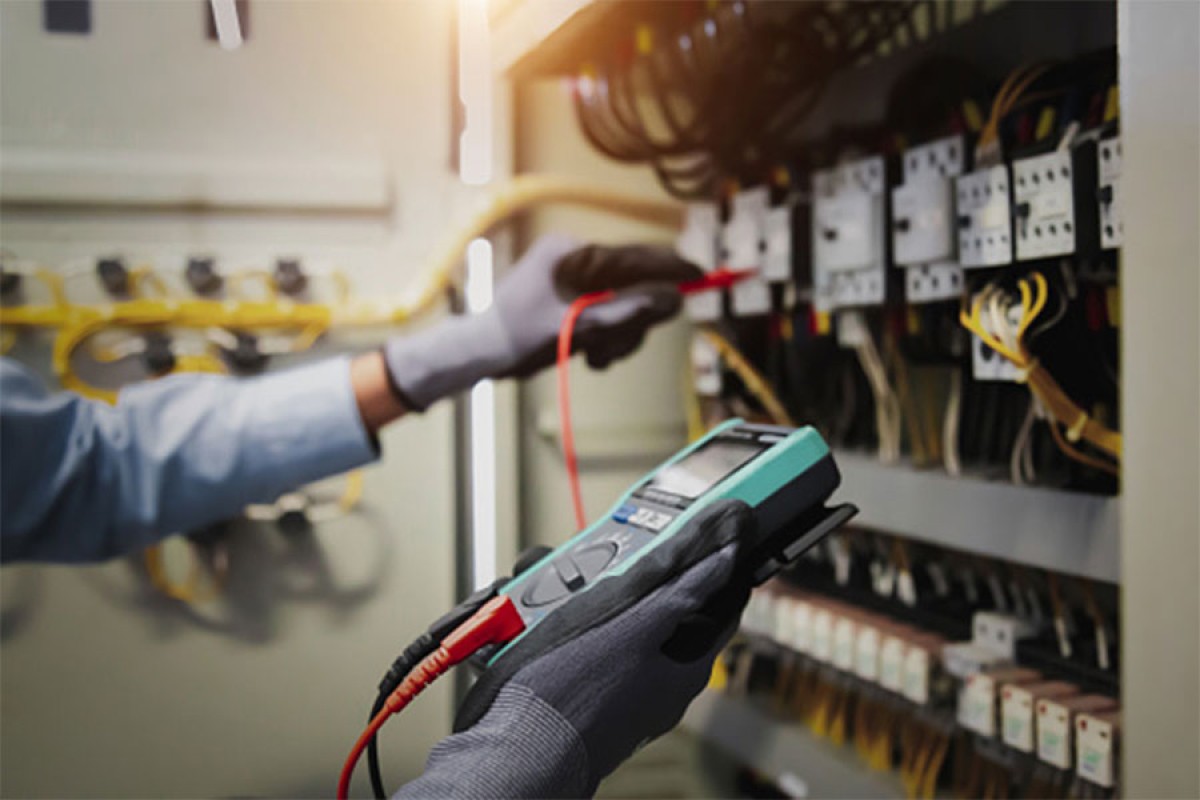
Ultimately, discussing openly with the electrical inspector is crucial. Homeowners should be prepared to ask questions and discuss worries they may have about their electrical setup. Providing a complete picture of the home’s electrical usage can help the inspector conduct a thorough evaluation and offer tailored recommendations, ensuring the security and performance of the home's electrical system.