In an age where sustainability is no longer just a catchphrase but a requirement, effective refuse handling has become a critical component of sustainability efforts and public well-being. The transition from landfills filled with wasted materials to forward-thinking solutions that encourage recycling and waste reduction is one that many industries and families are beginning to embrace. Understanding modern waste management techniques opens up a realm of options for enterprises and people alike to contribute beneficially to the ecosystem while also enhancing their productivity.
Refuse handling is not merely about eliminating of trash; it is an integral strategy that impacts financial health, resource conservation, and community wellness. By embracing better practices, organizations can not only reduce their ecological footprint but also reduce money and comply with standards. Whether you are a entrepreneur looking to adopt a sustainable waste management program or a householder interested in minimizing trash and reducing spending, this guide will offer you with all you need to know about converting waste into an opportunity for a cleaner future.
Modern Waste Disposal Solutions
In the current society, effective garbage disposal is vital for both environmental stability and financial effectiveness. Modern waste disposal solutions incorporate innovative technologies and methods designed to minimize refuse and boost recyclability initiatives. For example, intelligent garbage management solutions utilize IoT methods, utilizing devices and information analytics to enhance refuse pick-up methods, monitor bin capacities, and refine overall materials allocation. These technologies not only simplify operations but also significantly diminish the CO2 footprint associated with refuse transport and processing.
A further key solution is the transition towards a closed-loop economy, where the focus is on minimizing garbage by reassessing the lifecycle of products. Businesses are ever urged to design items with disposal factors in mind, promoting repurposing and reusability. This approach encourages advancement in green packaging and motivates companies to develop strategies to repurpose refuse products. It aids create a sustainable system where garbage is reduced, assets are preserved, and economic opportunities arise from the transformation of materials.
In conclusion, local engagement plays a vital role in contemporary garbage disposal solutions. Efforts aimed at educating people about appropriate refuse segregation and repurposing practices help to participate citizens in the system. Activities like worm farming sessions and neighborhood clean-up events empower communities to take ownership of their refuse and create a ethos of sustainability. By promoting understanding and encouraging active involvement, communities can significantly minimize refuse generation and enhance the efficiency of garbage management efforts, eventually leading to healthier surroundings and stronger local markets.
The Significance of Sustainable Approaches
Eco-friendly waste disposal practices are crucial for limiting the harm of refuse on the environment. By implementing these strategies, organizations and homes can considerably diminish their carbon footprint, save natural resources, and improve overall environmental well-being. As recognition of sustainability challenges grows, organizations that emphasize sustainable methods are regarded as more ethical and inviting to consumers, improving their standing and market position.
Incorporating eco-friendliness into waste practices also results in financial benefits in the end. By emphasizing waste reduction, reclamation, and organic waste management, organizations can reduce disposal costs and even transform refuse into valuable resources. Deploying intelligent waste solutions not only enhances processes but also encourages a culture of sustainability that can encourage staff involvement and creativity.
Moreover, green waste practices play a critical role in the sustainable economy, where goods are continually reclaimed and minimizing waste, optimizing resource use. This shift from a linear model of making and using to a closed-loop system creates exciting chances for organizations to create and offer eco-friendly goods. By adopting this approach, businesses contribute to a healthier planet while establishing themselves for long-term success.
Practical Tips for Sustainable Garbage Management
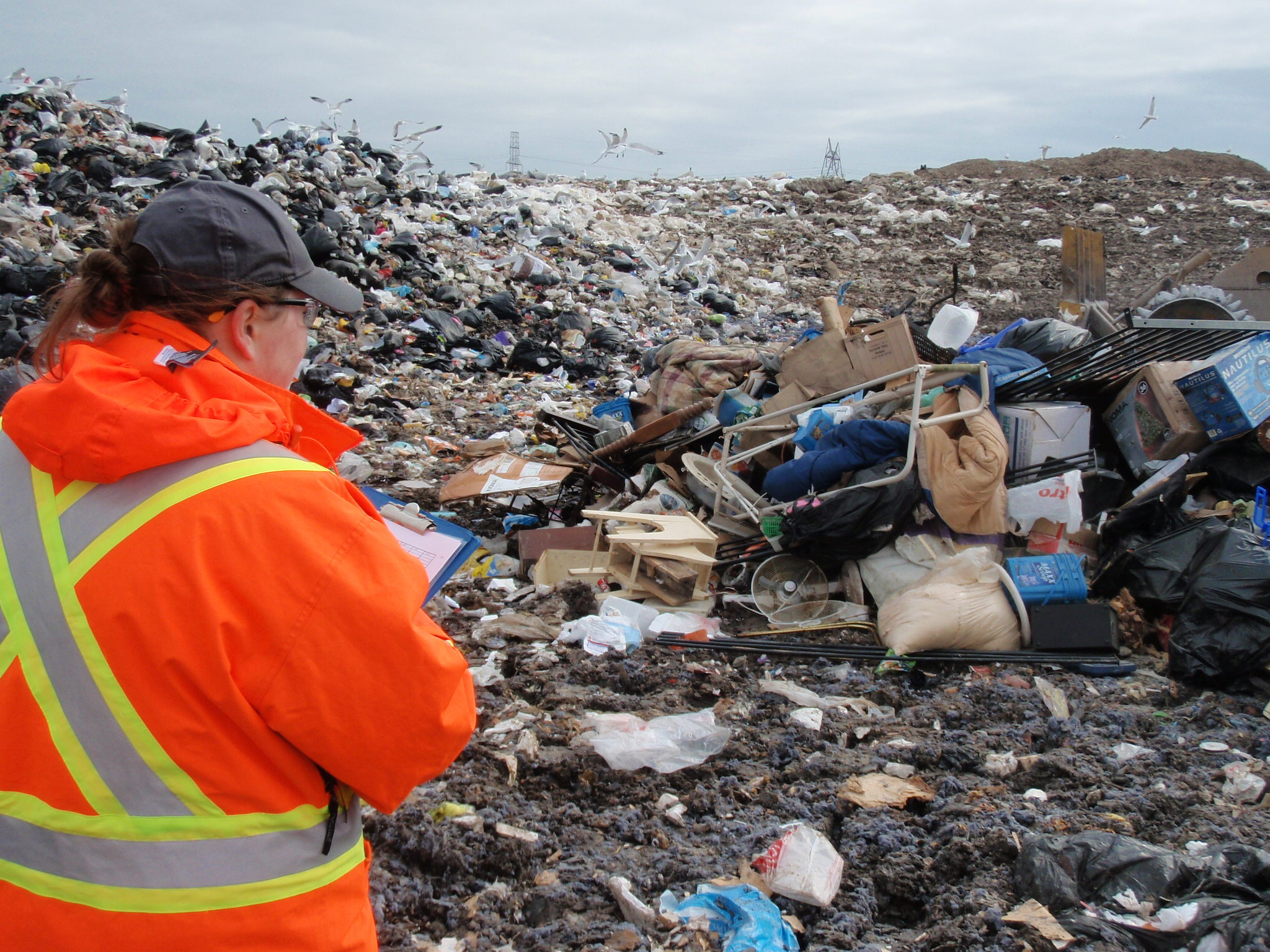
To improve waste management practices, businesses can start by carrying out a waste audit. This process involves scrutinizing the varieties and quantities of waste generated, helping to identify areas for lessening and recycling. Consistent audits not only show wastage but also foster ownership and motivate staff engagement in waste reduction initiatives. By comprehending their waste output, businesses can introduce targeted strategies to cut refuse and improve waste disposal methods.
Another vital aspect of effective waste management is appropriate sorting of waste. This entails separating recyclable materials from regular trash to ensure that the quality of recyclables is maintained. Offering easy-to-understand signage and educating employees on how to properly sort waste can substantially improve the rate of recycling. Promoting staff to get involved in sorting can cultivate a culture of sustainability within the organization, leading to long-term benefits both ecologically and economically.
Finally, adopting technology can greatly enhance the processes involved in waste management. Extra resources are using smart waste management solutions, such as IoT sensors and live monitoring systems, to track waste levels and optimize collection routes. This not only reduces the operational costs tied to waste removal but also reduces the carbon footprint of waste gathering. Utilizing these technological advancements can place businesses as leaders in sustainability while helping to a better environment.