Timber floors has long been celebrated for its classic beauty and natural appeal, transforming areas into warm, inviting settings. As trends in interior design continue to change, the attraction of wooden flooring remains strong, captivating homeowners and designers alike. The distinctive character of wood enhances any space, providing a sense of warmth and refinement that other options often struggle to achieve.
Selecting the right type of wooden flooring for your home is more than just a decorative choice; it involves considerations of durability, style, and maintenance. Whether you are drawn to the traditional charm of hardwood or the versatility of engineered wood, grasping the benefits and characteristics of each option is crucial. This article will delve into the different facets of wooden floors, from installation tips to maintaining its beauty over the years, ensuring you have all the information needed to make informed decisions and enjoy the beauty of wooden flooring in your house.
Selecting the Best Hardwood Flooring
As you start to deciding on hardwood flooring for your house, the primary consideration to take into account is the kind of timber. Hardwood varieties such as oak, maple, and shagbark hickory are recognized for their strength and classic appeal. Each type of timber has its unique texture patterns, colors, and tolerance to abrasion, which can significantly influence the total appearance of your environment. It is crucial to assess the particular needs of your home, such as the amount of traffic and vulnerability to moisture, ahead of making a choice.
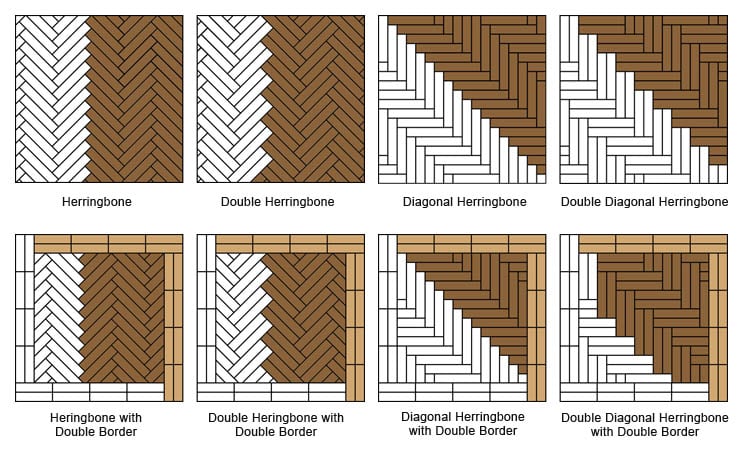
Another vital element is the aesthetic of the floors. Wooden flooring can be available in many finishing styles, from non-reflective to reflective, and layouts like large planks, herringbone, or diagonal. Your selection should match with your interior's decor while also reflecting your individual taste. For a current setting, softer woods with subtle texture might be more suitable, while traditional or traditional styles can benefit from darker, more complex woods.
Lastly, think about the approach to installation that best suits your circumstances. https://notes.io/eun5R are nailed and fastened down, offering strength but may involve a demanding installation process. Manufactured wood floor delivers increased flexibility, as it can be laid over multiple foundation types and is more resistant to variations in wetness. Understanding the differences in installation methods will help ensure the longevity and performance of your hardwood flooring.
Advantages and Care of Wooden Floors
Wooden flooring offers a myriad of advantages that make it a popular choice for homeowners. One of the most significant advantages is its classic appeal, which can enhance the aesthetic of any room, adding warmth and charm. Timber floors are also known for their strength, providing a robust surface that can endure everyday wear and tear. Additionally, wood has innate insulating properties, which can help maintain a comfortable temperature in your home while reducing utility costs.
Appropriate maintenance is crucial to keep wooden floors looking their best. Regular cleaning, using a gentle broom or a hoover with a hardwood attachment, can prevent dust and dirt from scratching the surface. It is also vital to use the right cleaning solutions—H2O and a pH-balanced cleaner are usually safe options. Additionally, applying a proper finish can safeguard the wood from damage and enhance its aesthetic, while refinishing every few years can revive its shine and remove any minor scratches or dents.
When it comes to extended care, it is imperative to guard timber floors from water damage and high humidity. Using area rugs in high-traffic areas and placing mats at doorways can significantly reduce deterioration. Establishing a seasonal maintenance routine—such as inspecting for indications of damage or dampness and adjusting moisture levels—will help maintain the integrity of your timber flooring. With appropriate care, timber floors can last a lifetime, continuously adding worth to your property.
Styles and Trends in Wood Floors
As we move into 2025, wooden flooring continues to develop, showcasing an array of styles that appeal to diverse tastes. One notable trend is the move towards wider planks, which not only enhance the aesthetic space but also impart a sense of natural charm. Coupled with a flat finish, these wider boards offer a contemporary yet classic look, making them perfect for contemporary interiors. Additionally, the popularity of textured finishes, such as wire-brushed or hand-scraping, adds depth and character to the wood, allowing homeowners to express their unique style.
Another noteworthy trend is the resurgence of natural wood tones. While dark stains were previously the dominant choice, softer shades, including honey and blonde hues, are making a strong comeback. These light neutral colors help create an airy ambiance and can seamlessly blend with different design elements, from Scandinavian minimalism to coastal chic. The focus on sustainability further amplifies this trend, as more homeowners seek out hardwood species that showcase their natural beauty without heavy man-made modifications.
The design community is also embracing eco-friendly options, with reclaimed wood becoming increasingly popular. Not only does reclaimed wood offer a distinctive aesthetic, but it also contributes to environmental sustainability by reusing old materials. Alongside this, patterned wooden flooring, such as herring bone and chevron designs, capture the attention of design enthusiasts, providing a sophisticated touch that stands out in both traditional and modern settings. These trends mirror a broader movement towards elegance and sustainability in home interior design.