

When householders more and more look for effective and sustainable solutions for their heating and cooling needs, heat pump systems have emerged as a revolutionary alternative to traditional HVAC systems. Through innovations in technology and design, these systems not only promise enhanced energy efficiency but also provide flexibility in usage, making them an appealing option for modern homes. If you are curious about how heat pumps function, their advantages, and whether they could be the appropriate choice for your house, you are in the right place.
In this thorough guide, we will uncover everything you need to know about heat pumps, from installation fundamentals to effectiveness in difficult climates. We will investigate key factors such as performance comparisons with traditional systems, expenses of installation and maintenance, and the environmental benefits of making the switch. Whether you are considering a brand new heat pump for a new construction or seeking to retrofit your current home, our insights will assist you make wise decisions that align with eco-conscious goals and individual comfort.
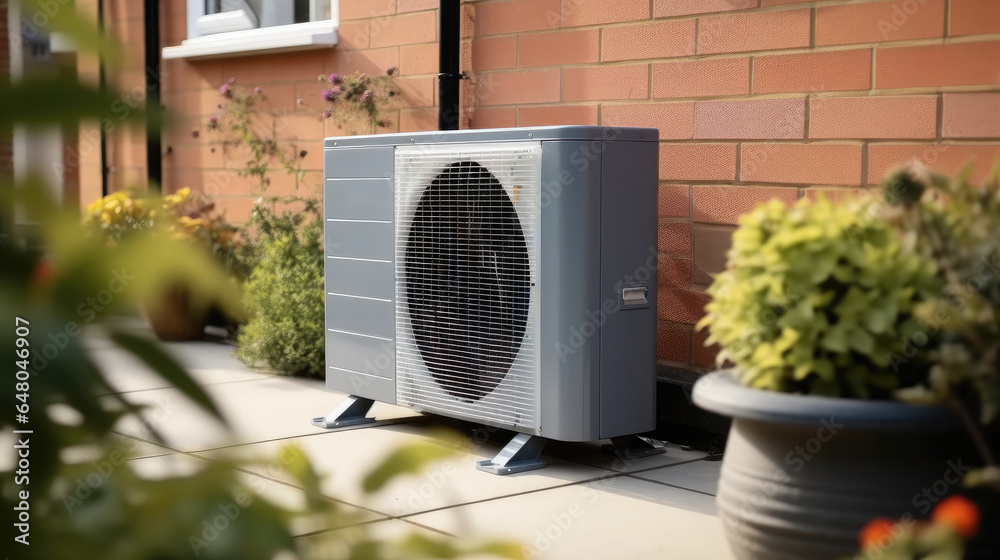
Understanding Heat Pump Technology
Heat pumps are sophisticated climate control solutions that convey heat rather than generate it. They operate by extracting heat from the air, ground, or liquid and transferring it into a dwelling during chillier months, while in warmer months, they flip the process, delivering cooling. This effective approach of thermal energy transfer permits heat pumps to deliver three to four times more energy than they consume in electricity, making them a budget-friendly alternative to traditional HVAC systems.
One of the key benefits of heat pumps is their versatility. They can be used in various types of buildings, from compact homes to spacious commercial spaces, and can efficiently operate in a variety of weather conditions. However, their performance can differ based on the regional weather conditions. In regions with mild winters, heat pumps are particularly efficient, while in frigid climates, such as the Rocky Mountains, it’s essential to pick models designed for low heat or consider combination systems that integrate heat pumps with traditional heating methods.
As homeowners more and more seek energy-efficient solutions, the attraction of heat pumps continues to increase. Learn here help reduce energy costs but also help to lowering carbon emissions due to their eco-conscious operation. With numerous options available, including air source and ground source heat pumps, homeowners can find systems that best suit their preferences and wants, ensuring year-round comfort and effectiveness.
Efficiency and Performance
Heat pump units are celebrated for their high performance in relation to classic HVAC systems. They operate by transferring heat rather than generating it, permitting them to use considerably less energy. This efficiency leads to lower energy bills, making heat pumps an desirable option for homeowners looking to reduce their energy expenses. On average, heat pumps can deliver three to 4 more heating or cooling energy than the electricity they consume, making them a cost-effective choice for climate control.
Performance is another vital consideration when evaluating heat pumps. They can efficiently regulate indoor temperatures in multiple conditions, especially when paired with modern smart thermostats that enhance their operation. Advanced models have been built to perform effectively in cold climates, responding to the common misconception that heat pumps are ineffective in colder temperatures, such as like Colorado. Advances in technology continue to enhance their performance, ensuring that homeowners can enjoy consistent comfort throughout the year.
Another aspect of performance is the durability and reliability of heat pumps. With proper maintenance and care, heat pumps can survive for several years, providing steady heating and cooling. Regular servicing can avert common issues and extend the lifespan of the system, contributing further to its efficiency and minimizing the need for costly repairs or replacements over time. For homeowners wanting to maintain a comfortable living environment while being energy efficient, investing in a heat pump can be a decision that is beneficial in both the short and long term.
Setup and Care
Setting up a heating pump requires detailed analysis of various elements to ensure best functioning. Residents should start by reviewing their home's specific climatic demands, which includes figuring out the correct size of the unit. Involving a certified installer is vital, as they can adequately analyze system compatibility and regional construction regulations. The installation process generally requires one to two days and ought to occur during moderate temperatures for the best results. Proper placement of the outdoor unit is crucial to prevent contact to obstructive elements and guarantee effective functioning.
When your heating pump is installed, consistent upkeep is crucial to enhancing its durability and efficiency. Homeowners should create a regular plan that consists of filter maintenance every one to three months to maintain airflow and system performance. Additionally, scheduling annual professional maintenance checks will facilitate the detection of issues before they turn major. During these maintenance visits, professionals can clean the coils, check refrigerant levels, and make sure that the wiring are working well.
As with all home systems, being aware of common issues can prevent time loss and costs. Unusual sounds, inconsistent temperatures, or rising energy expenses can suggest that your heat pump requires attention. Responding to these indicators quickly can prevent more extensive repairs down the line. By sticking to care protocols and keeping in tune to your heat pump’s functioning, homeowners can enjoy the benefits of their heating system while maintaining its efficiency for an extended period.