

Word games are more than a fun way to spend time; they stimulate our cognitive abilities and enhance our critical thinking skills. If you are a recreational player or a seasoned puzzle enthusiast, mastering the craft of unscrambling terms can reveal a world of entertainment and mental stimulation. In this ultimate guide, we will examine various strategies and tips to help you face even the trickiest word scramble challenges with poise and skill.
As we explore the fascinating world of scrambled words, you will uncover expert techniques to solve puzzles more quickly, frequent letter patterns to look for, and the psychological factors behind our love for these addictive word games. We’ll also discuss the educational benefits of integrating word scrambles into learning environments, making them an outstanding tool for both kids and grown-ups. So get ready to hone your skills, enhance your vocabulary, and potentially create your own word scramble puzzles as we unravel the secrets of this fascinating pastime.
Specialist Advice for Quicker Resolution
To untangle word scrambles more rapidly, one of the top strategies is to familiarize yourself with frequent letter patterns. Specific sets of letters frequently appear in tandem in English words, such as "ch". By watching for these tendencies, you can swiftly identify potential starting points for unscrambling. Moreover, look for prefixes and suffixes, like "re", which can give context and limit your options.
Another helpful method is to divide the scrambled letters into shorter chunks. Instead of trying to decode the entire word at once, look for recognizable sequences or smaller words inside the scramble. For example, if you have the letters "e", you might first spot the word "ta". Building smaller words can often lead you to the solution of a larger word more effectively.
Finally, practice makes proficient. Consistently engaging with word scramble puzzles will not only improve your quickness but also boost your vocabulary and pattern recognition skills. Allocate time each day for dedicated practice, and consider using different types of puzzles to challenge yourself. This steadfast effort will train your brain to rapidly identify and untangle scrambles, making you a pro in no while.
Strategies for Conquering Word Scrambles
To improve your likelihood of succeeding in word scrambles, start by familiarizing yourself with common letter patterns. Specific combinations of letters commonly appear in conjunction in the English language. For illustration, knowing that "th," "ch," and "sh" are common pairings can help you swiftly spot potential words. Additionally, focus on vowel placements, as they typically appear amidst consonants. Recognizing word scramble solver can streamline your thought process and minimize the time spent on each scramble.
A further effective strategy is to divide longer scrambled words into minor segments. Look for prefixes and suffix that might provide clues. Once you find a recognizable starting part or final part, it becomes easier to piece together the other letters. This method not only boosts the efficiency of your solution but also helps in remembering words more quickly. Practicing this technique can considerably improve your speed in solving tougher scrambles.
Lastly, don't underestimate the power of practice and repetition. The more familiar you become with word scrambles, the easier it will be to identify words quickly. Utilize web resources, apps, or word scramble competitions to strain yourself regularly. Engaging with diverse kinds of puzzles will enhance your vocabulary while sharpening your problem-solving skills, making you a strong opponent in any word scramble context.
Understanding Structures and Methods
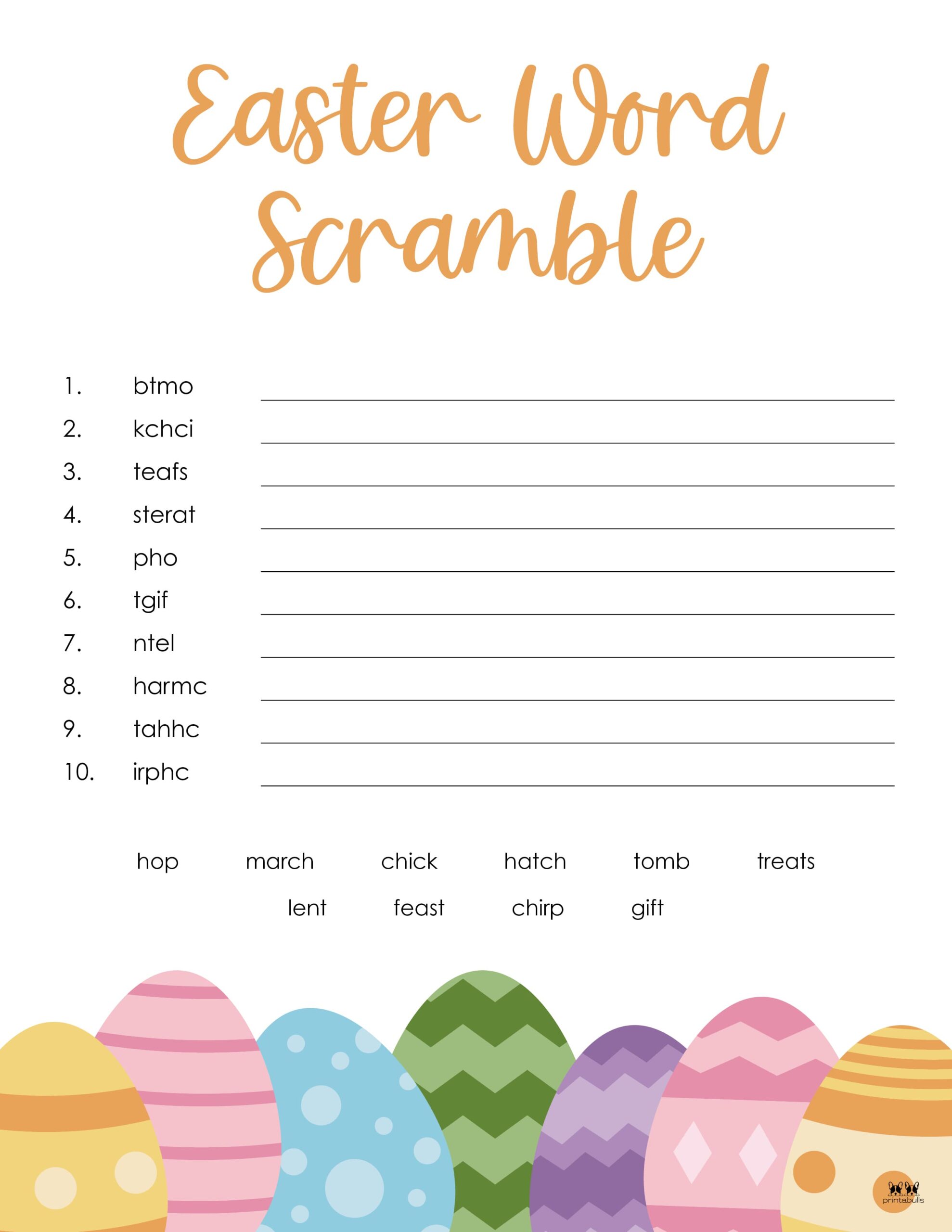
Recognizing frequent letter combinations is essential when dealing with letter scrambles. Specific combinations of letters commonly occur in the the English lexicon, such as "in'g," "the," or "ch." By acquainting yourself with these patterns, you can quickly identify likely base words. Additionally, noting vowel placements can provide hints, as vowels typically encompass consonants, aiding you to narrow down the possibilities for solving a word.
One more successful technique is utilizing affixes and suffixes. Many words consist of a base word coupled with a beginning or suffix, like "un-happy" or "happi-ness." By recognizing these parts, you can quickly rebuild the scrambled word. For example, if you see the letters "pre-" at the beginning of a scramble, it may prompt you to think of words for example "prepare" or "preview," which can simplify the decoding process and boost your speed.
Lastly, repetition is crucial in becoming skilled in word puzzles. Take part regularly with activities that test your skills. As you acquire experience, you will begin to instinctively recognize patterns and utilize strategies that work best personally, whether it be breaking words down into smaller parts or applying expert techniques that experts use. This consistency not only boosts your letter-solving skills but also contributes to cognitive benefits, such as better remembrance and lexicon.