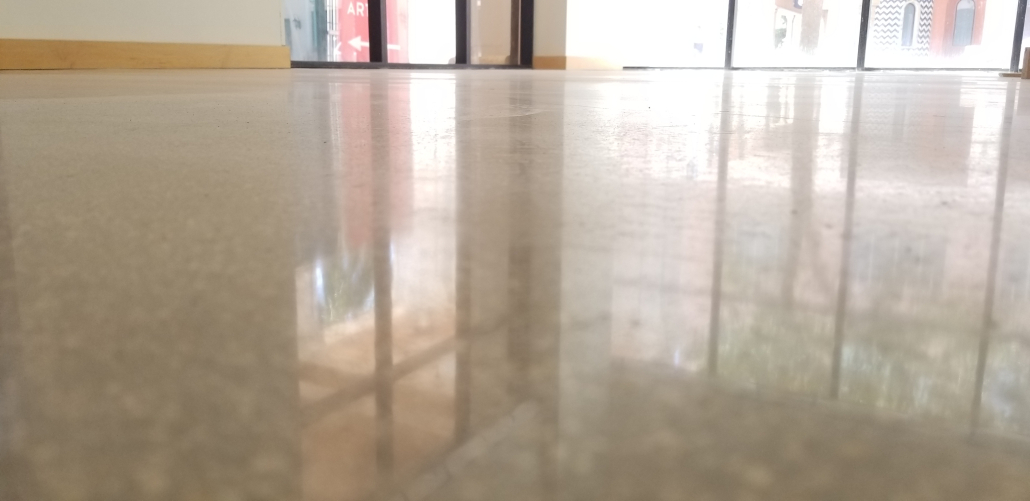
Natural stone has long been admired for its aesthetic appeal, durability, and enduring nature. From marble floors to granite countertops, stone surfaces enhance the visual appeal of homes, commercial properties, and heritage buildings alike. However, the wear and tear they endure over time can diminish their former glory. That's where stone restoration comes into play. This crucial process not only refreshes the appearance of worn and damaged stone but also plays a critical role in preserving the underlying materials for the next generation.
Gaining insight into stone restoration is key, especially if you want to maintain the integrity and value of your property. In this detailed guide, we will explore various aspects of stone restoration, from identifying the common signs that your surfaces may need attention to the significant impact professional restoration services can have on your environment. Whether you are a resident looking to restore your stone floors or a business owner aiming to improve your commercial property’s appeal, the insights shared in this article will help you understand the art and technique behind restoring nature's canvas.
Understanding Stone Renewal
Stone restoration is the procedure of cleaning, restoring, and rejuvenating natural stone surfaces to bring back their original beauty and functionality. Over time, stone can become dull, stained, or damaged due to various factors such as weather, pedestrian movement, and chemical contact. This renewal not only enhances the aesthetic appeal of the stone but also extends its lifespan, making it a crucial task for homeowners and property managers alike.
Multiple techniques are used in stone restoration, including cleaning, smoothing, shining, and sealing. Each of these processes holds a vital role in handling specific issues. For example, washing involves eliminating dirt and grime, while honing helps to reduce scratches and imperfections. Shining brings back the shine, and protecting provides a protective layer to help avoid future damage. Understanding Click to find out more is essential for attaining optimal results in renewing stone surfaces.
The significance of stone restoration cannot be underrated. Properly cared for stone surfaces can considerably enhance the value of a property, thereby making them more appealing to potential buyers or tenants. Moreover, restoration adds to a less hazardous environment by getting rid of uneven surfaces and lowering the risk of slips and falls. As such, spending in professional stone restoration services is a good decision for sustaining both the beauty and integrity of natural stone surfaces.
Benefits of Expert Restoration
Professional stone restoration offers a variety of benefits that can substantially enhance the appearance and longevity of your stone surfaces. To begin with, trained experts possess the skills and skills required to restore various types of stone to their original condition. They use state-of-the-art techniques and specialized equipment that most homeowners might not have the means to acquire or information about, ensuring a level of quality that DIY efforts typically lack. As a result, professional restoration can make a significant difference in the overall aesthetic and impression of your property.
Another important benefit of hiring professionals is the skill to identify and rectify underlying issues that may not be visible at first glance. For example, a experienced eye can spot areas of damage that require immediate action before they escalate into more challenging problems. By tackling these concerns during the restoration process, you not only lengthen the longevity of your stone surfaces but also avert potential problems that could arise due to lack of care. This proactive approach ultimately saves property owners expenses in the long run.
Additionally, specialized stone restoration can substantially enhance property value. Nicely kept stone surfaces are appealing to prospective buyers and can create a good first impression. Whether it’s marble floors in a house or granite countertops in a commercial setting, the revitalized appearance achieved through expert restoration can raise your property’s market value. Utilizing professional services not only improves aesthetics but also demonstrates a commitment to effective care, making your property less competitive in a competitive market.
Caring for Restored Natural Stone Surfaces
To maintain your renovated stone surfaces appearing their finest, consistent maintenance is important. Begin by creating a maintenance schedule that includes gentle, pH-balanced cleaners specifically designed for stone surfaces. Refrain from harsh substances or rough materials, as they can harm the newly restored surface. Employing a soft cloth or a light sponge will help prevent scratches while efficiently eliminating dirt and grime. Remember, maintaining a clean surface not only improves the look but also extends the life of your work.
Applying a sealant is another key component of caring for refurbished natural stone finishes. After restoration, it's crucial to apply a premium sealant to shield against stains and moisture penetration. This coating acts as a barrier, making sure that leaks and stains can be readily cleaned up without damaging the structure of the surface. Additionally, applying another layer of sealant should be carried out periodically, depending on the kind of natural stone and the amount of use it experiences. Regular inspections for the effectiveness of the sealant can assist maintain the aesthetic of your natural stone.
In conclusion, addressing any problems immediately can stop further harm. If you see marks, scratches, or discoloration, address these issues as quickly as possible. Quick action may require simple cleaning or more intensive services based on the extent of the damage. Regular check-ups of your refurbished natural stone finishes will allow you identify small issues before they grow. By adhering to these care practices, you will make sure that your restored natural stone surfaces stay vibrant and long-lasting for many years to come.