

Spray painting is a flexible and imaginative technique that goes far beyond just adding color to spaces. It opens up a domain of opportunities, allowing both do-it-yourselfers and experts to change everyday items into stunning centers of attention. Whether you are looking to renew into vintage items, refresh the exterior of your residence, or tackle fine points with accuracy, spray paint can assist you achieve remarkable outcomes.
In this article, we will explore innovative ways for spray paint in routine tasks, uncovering advice and techniques to help you perfect the skill of perfect spray painting. From grasping the benefits of expert spray painting to necessary tools and tips for beginners, we will take you through the process of picking the suitable paint, prepping areas, and applying your finishing touch with skill. Join us as we dive into this dynamic realm and find out how spray paint can enhance your artistic endeavors in creative ways.
Spray Paint Application Methods
When it comes to achieving a perfect spray paint finish, understanding the proper techniques is crucial. Start by maintaining a steady distance from the surface you are spraying, usually 6 to 12 inches away from the surface. Keep the nozzle level to the surface and use steady, even strokes to prevent drips and uneven coverage. It is also essential to overlap each pass by about half % to guarantee full coverage and a uniform finish.
Preparation is key in spray painting; this means adequately cleaning and priming surfaces before you start. For metal surfaces, ensure to sand off any rust and apply a suitable primer. When dealing with wood, think about both sanding and priming to help the paint adhere better and minimize any grain visible. The kind of surface you're working with will affect the choice of spray paint, so be sure to select one that is designed for the material you are using.
Weather conditions play a major role in spray painting success, especially for outdoor tasks. Aim for mild weather and low humidity to prevent complications such as paint running or getting tacky. Additionally, it's recommended to steer clear of windy days as this can result in uneven application and overspray. Be sure to check the instructions on the spray paint can for specific recommendations on the best conditions for optimal results.
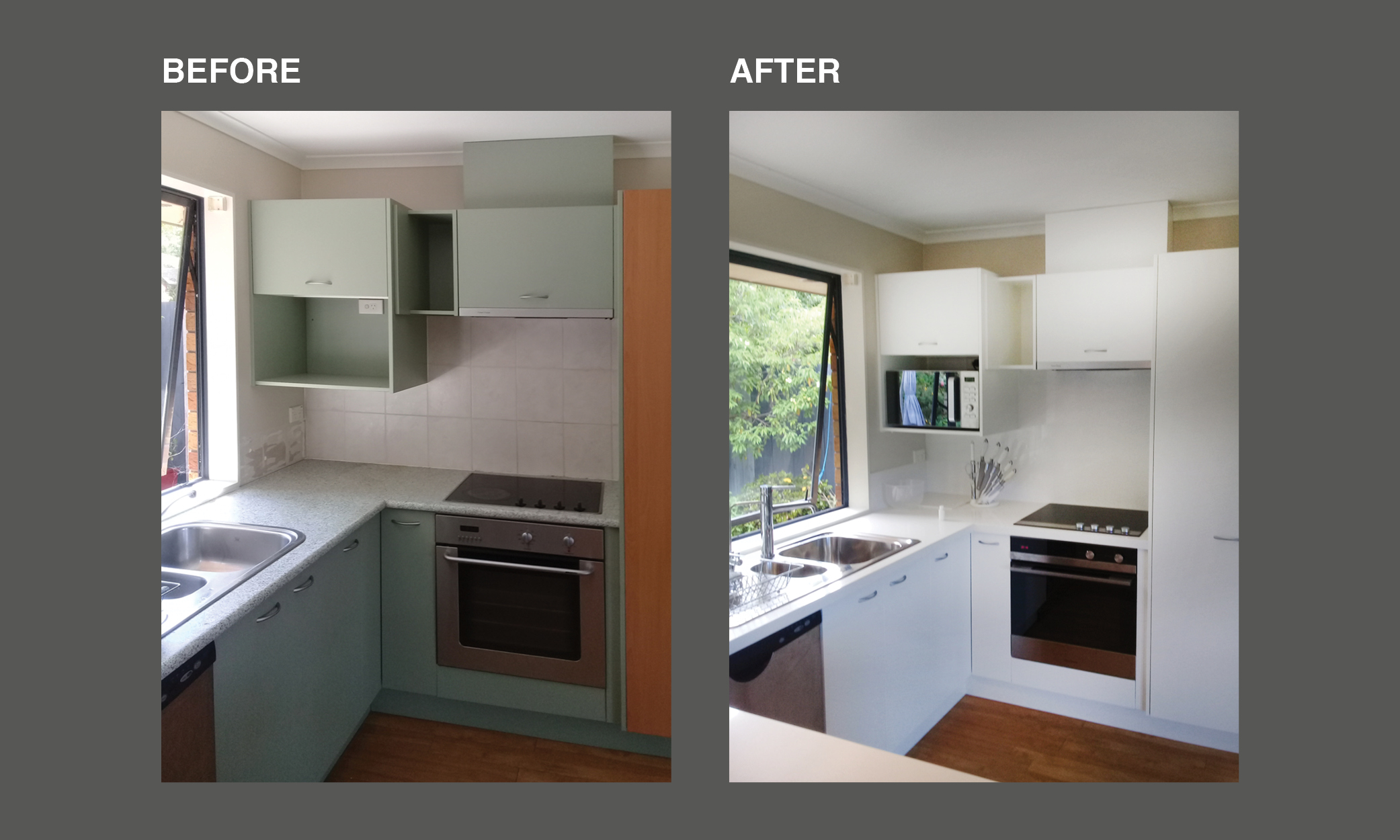
DIY Tips and Tools
When commencing your spray painting project, having the appropriate tools at your disposal is essential for achieving favorable results. Invest in quality spray paint intended for your particular surface, whether it be lumber, aluminum, or synthetic material. Additionally, a quality spray gun can make a notable difference in the application technique, providing increased control and coverage. Be sure to have masking tape and drop cloths ready to protect areas you do not want to paint.
Preparation is vital to a successful spray painting job. Before you begin, thoroughly clean and sand the surface to ensure a strong bond. If you are working with wood, applying a primer can help to seal the surface and enhance paint adhesion. Always work in a properly-ventilated area and consider putting on a mask to protect yourself from taking in fumes. Understanding the conditions is crucial; spray painting in areas with high humidity or wind can lead to non-uniform finishes.
Finally, mastering the technique will greatly enhance your results. Rehearse your spray technique on scrap material to start to get a feel for the pace and distance at which to spray. Maintain the can or spray gun at a steady angle and distance from the surface to ensure an even coat. Apply multiple thin layers instead of one thick coat to avoid drips and streaks. By following https://blogfreely.net/priesthyena93/a-evolution-of-aerosol-art-ranging-from-street-art-to-gallery and using the right tools, you are set to creating stunning spray-painted finishes in your projects.
Safety and Care
When involved in spray painting, security should always be your top priority. Make sure to work in a well-ventilated area to avoid inhaling vapors. Wearing personal protective equipment like respirators, safety glasses, and hand protection is crucial to protect yourself from aerosol droplets and harmful chemicals. Additionally, ensure that you are wearing clothing that you do not mind getting stains on, as spray paint can be difficult to remove once it sets.
Regular maintenance of your aerosol painting equipment is key for achieving the optimal outcome. After each use, clean the tip and the canister to prevent blockages. If you are using a spray gun, follow the manufacturer's instructions for maintenance thoroughly. Proper maintenance not only prolongs the durability of your tools but also ensures a smooth finish in your work. Keeping your workspace organized and free from distractions will also enhance security and productivity.
Finally, being cognizant of the environmental effects of aerosol paint is important. Opt for low volatile organic compound or eco-friendly products to reduce harmful emissions. Dispose of empty cans and excess paint according to local regulations to help protect the environment. By practicing safety and maintenance, you can enjoy the art of spray painting while being responsible and effective in your work.