

Recently, residential comfort has taken on a different dimension, thanks to the increasing popularity of heat pumps. These innovative systems have changed the way we think about heating and cooling our homes, offering both efficiency and versatility. As the demand for sustainable energy solutions continues to rise, homeowners are increasingly turning to heat pumps not just as an option but as a highly efficient and sustainable choice for maintaining a cozy atmosphere year-round.
Understanding how these systems work and their myriad benefits can empower homeowners to make informed decisions about their climate management solutions. From efficiency in energy use to installation costs, and even the potential for financing through incentives and deductions, heat pumps present a compelling case for those wanting to replace or upgrade their traditional HVAC units. Whether you are considering a fresh setup for a recently built home or remodeling an existing home, these solutions stand out as a choice that integrates budget-friendliness, performance, and eco-friendliness.
Understanding Heat Transfer Systems
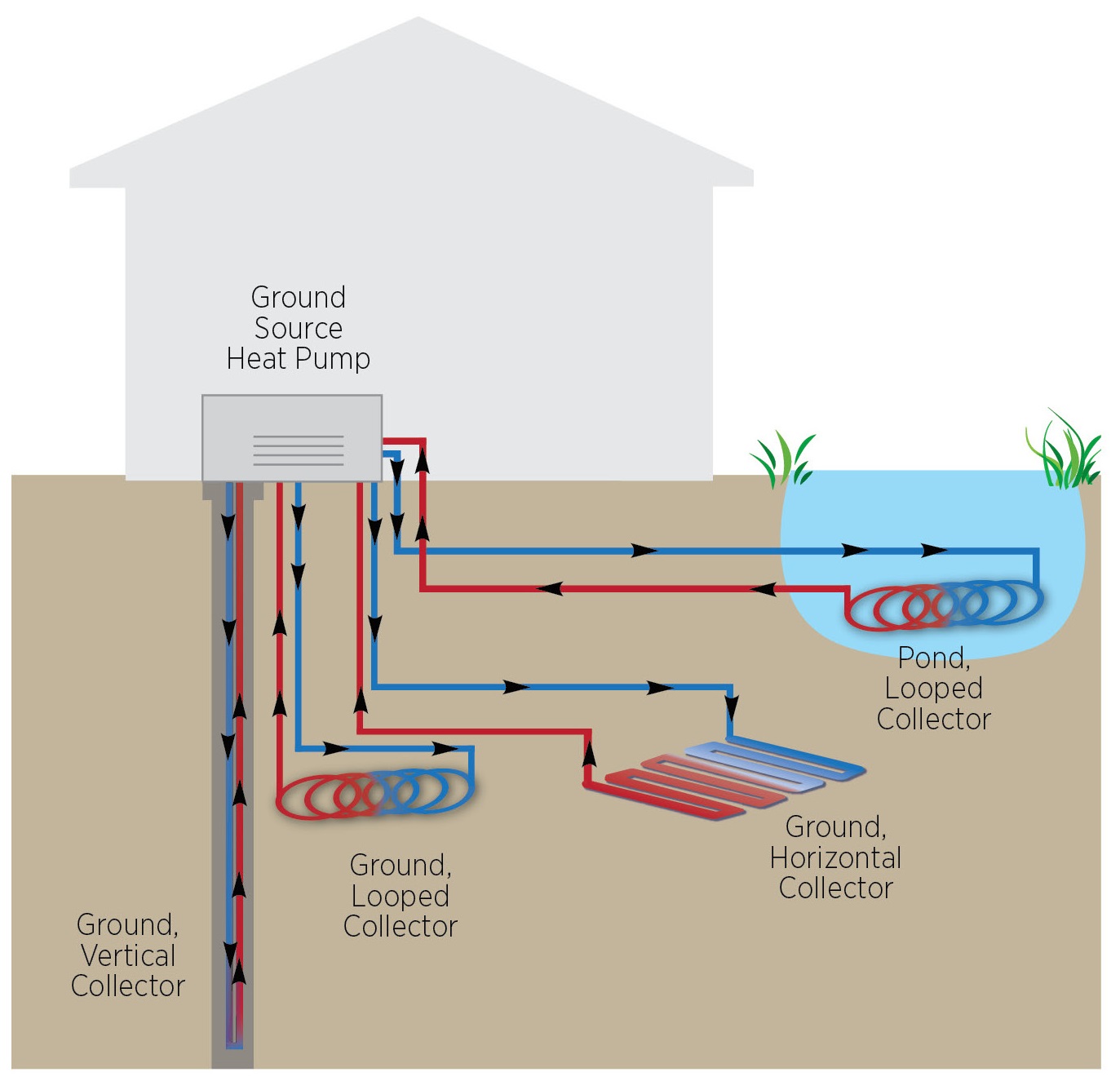
Heat pumps are advanced solutions that move thermal energy from one place to a different area, making them an efficient solution for both heating and chilling homes. Working on the tenets of heat transfer, they collect heat from the air, earth, or liquid sources and deliver it inside during winter while changing the function to vent heat outside in summer. This adaptability allows residents to experience comfortable indoor climates throughout the year with a one unit.
One of the primary pros of heat pumps is their energy efficiency. Unlike traditional HVAC technologies that produce heat through burning or electricity usage, heat pumps utilize electricity to move heat, which can produce markedly diminished energy usage. Many types can achieve efficiencies many times than those of traditional furnaces or air conditioners, making them an appealing option for eco-friendly residents looking to cut their carbon footprint and energy bills.
As the demand for sustainable energy solutions grows, many homeowners are evaluating heat pumps as a viable replacement to conventional heating and cooling methods. Their capability to function effectively in diverse weather conditions, including chilly climates, makes them a strong candidate. With improvements in technology and a growing number of choices available, grasping the various categories, efficiencies, and installation processes of heat pumps is important for making an knowledgeable determination about home comfort.
Setup and Care
Implementing a heat pump is a key step in ensuring maximum performance and efficiency. Homeowners should think about contracting a certified installer to analyze their specific needs based on the home's dimensions, insulation quality, and local climate. A proper installation not only improves the system's efficiency but also extends its working life. Before installation, it is essential to determine whether a ducted or ductless system is more fitting for your home, as this decision can substantially impact heat circulation.
Once your heat pump is installed, regular maintenance becomes vital to guarantee ongoing effectiveness and functionality. Homeowners are encouraged to plan annual maintenance checks, which include checking filters, cleaning coils, and evaluating refrigerant levels. This anticipatory approach helps in spotting potential issues before they grow, ensuring the heat pump running smoothly and reducing electricity expenses. Air Source Heat Pumps Yorkshire can often be conducted by homeowners themselves, such as swapping filters and cleaning debris from outdoor units.
Recognizing common issues that may arise with heat pumps can also help in efficiently solving problems. Some homeowners might encounter reduced airflow, unusual noises, or inconsistent temperatures. Familiarity with these signs can prompt prompt action, potentially avoiding costly repairs. By remaining knowledgeable and maintaining a steady upkeep routine, homeowners can enjoy the full benefits of their heat pump system for an extended period.
Expenses and Effectiveness Analysis
When considering heat pump technology, it’s crucial to evaluate both upfront expenses and energy savings over time. The initial outlay for a heat pump system can vary widely based on the kind, capacity, and installation specifics. Generally, air source systems often have more affordable installation compared to ground-source systems. However, one must also to factor in the likely financial benefits on power expenses, as heat pumps typically use significantly less electricity than standard HVAC setups, rendering them economically viable over time.
Effectiveness is often measured by the SEER (Seasonal Energy Efficiency Ratio) for cooling and the Heating Effectiveness Ratio (HSPF) for heating. Heat pumps can achieve effectiveness scores that greatly outdo those of standard systems, sometimes achieving performance levels of greater than 300 percent. This means that for every unit of electricity they consume, they can provide triple the amount of heating or cooling. Such performance not only reduces energy expenditures but also contributes to a reduced carbon footprint, positioning heat pumps as a greener option.
Moreover, financial aids such as tax credits and rebates can additional improve the economic appeal of heat pumps. In 2026, many homeowners will discover that these economic incentives, combined with the built-in cost reductions from decreased utility costs, provide a strong motivation to transition to heat pump technology. By carefully considering the costs involved and the savings opportunities they offer, homeowners can make an informed decision that is in line with their personal preferences and financial goals.