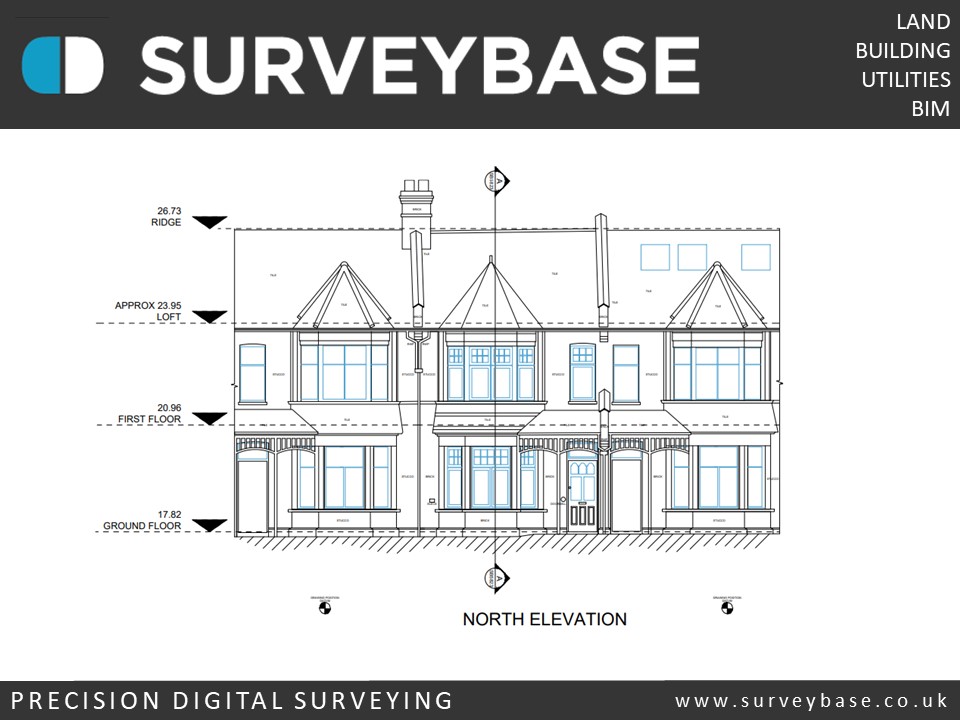
In the world of structural engineering and construction, exactness is paramount. Assessment surveys play a crucial role in ensuring that all constructions begins from a groundwork of exact data. These measurements provide thorough measurements of pre-existing environments and environments, offering important insights for planners, creators, and builders. Without an accurate assessment, even the most experienced professionals can encounter significant challenges, ranging from design errors to financially burdensome construction errors.
Comprehending what a survey is and why it is critical can transform the way we tackle design and renovation projects. From house expansions to corporate makeovers, the insights gained from these measurements shape every step made throughout the planning phase. This article will examine the different aspects of measured surveys, including their purpose, format, and advantages, as well as how developments in tech such as 3D scanning are enhancing legacy practices. If you are a property owner considering a renovation or a professional in the sector, realizing the value of survey measurements can elevate your approach and lead to more favorable outcomes.
# Understanding Quantified Assessments
Quantified assessments represent exact assessments regarding a structure or site in order to obtain the specific proportions as well as characteristics . Those assessments make use of several in approaches, such as traditional ruler measurements , light-based scanning , as well as digital representation , in order to yield accurate depictions regarding the space . This details collected can encompass construction features, elevations , plus even complex details that may guide upcoming architectural and refurbishment initiatives .
Professionals like planners, technical experts , alongside designers often turn to quantified evaluations serving as a core aspect of the design processes . With offering a precise depiction pertaining to current situations , those surveys permit architects to make knowledgeable judgments and confidence . Such detailed comprehension is especially vital when working on remodelings , extensions , or restorations , in which the success of a project greatly is contingent upon how well the plan matches that current building.
Alongside aiding with planning , quantified evaluations prove to be beneficial throughout this proposal submission . These evaluations guarantee the fact that applications provided for regulatory agencies are backed by reliable details, minimizing chances of expensive errors and rejections . Due to advancements in enhancement in technology , including laser measurement, and online representation , the overall accuracy plus effectiveness of measured surveys has improved , positioning these techniques a essential instrument in building and architectural fields .
The Significance of Computed Surveys in Design
Computed surveys play a critical part in the design process by providing exact data that guides decision-making. https://surveyorsbuckinghamshire.com/ and designers count on meticulous measurements to design functional and visually pleasing spaces. Lacking a dependable measured survey, it can become difficult to envision the project's extent, layout, and likely challenges. This fundamental information facilitates better planning and coordination, reducing the chance of expensive errors during the building phase.
Accurate measurements are crucial when working with current structures, especially in remodeling and refurbishments. Computed surveys assist reveal certain constraints, such as structural elements or unusual angles, that may affect design choices. Furthermore, they offer a complete understanding of the property’s size, which is vital when considering additions or supplemental features. By tackling these factors upfront, designers can create solutions that seamlessly merge with the existing environment.
Finally, the utilization of technology in measured surveys, such as 3D laser scanning, boosts the design workflow substantially. These advanced techniques produce detailed data, allowing for the development of detailed digital models that help in representing the project. With this degree of accuracy, architects can explore multiple design versions, guaranteeing they meet both functional requirements and client expectations. Overall, quantitative surveys are indispensable tools that empower designers to craft creative and functional spaces with confidence.
Practical Factors for Measured Surveys
When plan for a measured survey, it is crucial to evaluate the specifics of your project and its needs. Understanding the complexity of the space to be surveyed can assist you select the right type of survey, whether a traditional method or a more modern method like 3D laser imaging. Additionally, recognizing the purpose of the survey, for instance remodeling, expansion, or new construction, will influence the level of detail and accuracy needed.
Scheduling is a further essential consideration to consider. The duration of a quantified survey can differ based on the dimensions and complexity of the property, as well as the type of survey being conducted. Properly timing the survey around the overall project timeline helps ensure that you have the necessary data when you need it, promoting a smoother design and construction process. It is advisable to consult with your selected survey company to obtain an accurate estimate of how long the survey will require.
Finally, financial factors cannot be ignored. The cost of quantified surveys can vary significantly based on the type of survey required, the surveyor’s experience, and how promptly the work needs to be finished. It is crucial to obtain multiple quotes and know what is included in the survey price. Putting in a quality survey up front can save you from expensive mistakes later in the project, making it a valuable expense in the overall planning and design process.