

As the seasons change from winter to summer, boat owners find themselves encountering an important transition: the choice of the right boat cover. A quality boat cover is an essential investment that protects your vessel from the weather and preserves its value. With various styles, materials, and features on the market, understanding how to select the perfect cover for your boat can have a significant impact. If you are getting ready for seasonal storage or gearing up for a summer adventure on the water, understanding the best practices in boat cover strategies will ensure that your investment is protected.
In this definitive guide, we will cover everything you need to know about boat covers, including the importance of choosing between custom and universal options to learning about the materials that provide the best protection against UV rays and water damage. We will also highlight common mistakes to avoid and tips for maintaining your cover to prolong its lifespan. By the end of this article, you will be equipped with all the insights necessary to navigate the world of boat covers confidently, ensuring your time on the water is enjoyable and worry-free.
Selecting the Right Boat Cover
Picking the suitable boat cover is essential for defending your investment against various natural challenges. The appropriate cover should fit your boat snugly, shielding it from moisture, UV rays, snow, and debris. Before making a transaction, evaluate the size, style, and purpose of your boat, as these factors will heavily influence your selection.
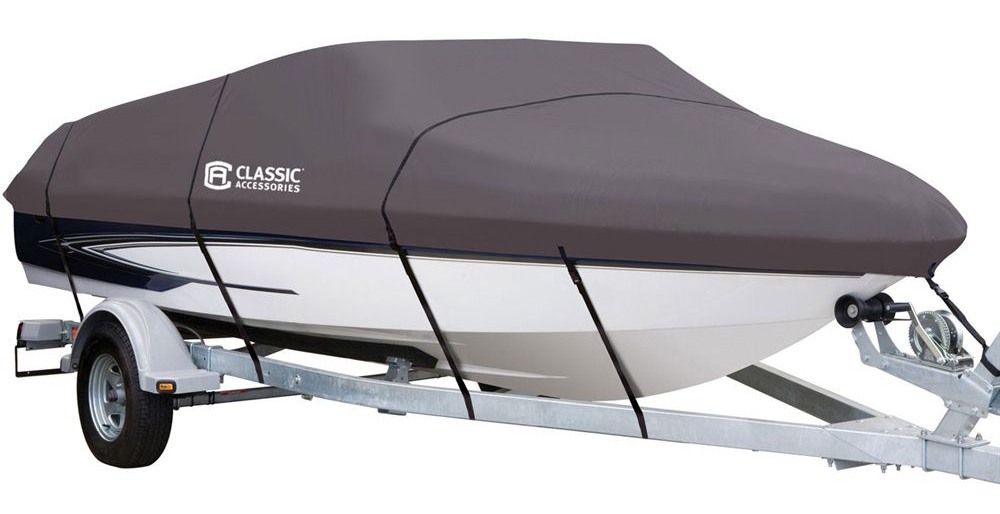
When evaluating options, you will encounter different materials, styles, and options. It's crucial to understand the differences between standard and bespoke covers. While standard covers are more affordable and simpler to find, tailored covers provide a perfect fit and often come with additional features such as added protection for further protection. Determine what's best for your requirements and financial plan to ensure long-lasting protection.
Finally, consider the weather conditions in your area. The top boat covers are designed to withstand particular climates, whether it's significant precipitation, harsh sunlight, or cold snaps. Features like waterproof capability, sun protection, and effective ventilation systems can significantly prolong the life of your boat cover and keep your boat in peak condition.
Crucial Maintenance Guidelines
Caring for your boat cover is crucial for extending its lifespan and performance. One of the main tasks is to consistently clean your cover to stop the accumulation of dirt, mildew, and fungal growth. Use a gentle soap solution combined with tepid water and a non-abrasive brush to gently scrub the surface. Rinse thoroughly and let it to air dry fully before storing. Regular cleaning not only keeps your cover looking new but also aids in preserving its defensive qualities.
Another important aspect of maintenance is to check your boat cover for any evidence of damage or damage. Look for frayed seams, tears, or areas where the fabric may be failing its waterproof quality. Fixing minor issues promptly can avoid them from growing into more significant problems. If you find minor holes, you can often fix them using fabric patches designed for boat covers. Keeping your cover in good shape will guarantee it continues delivering the protection your boat needs.
Finally, proper storage of your boat cover when not in use can greatly extend its lifespan. Ensure that the cover is totally dry before rolling and storing it in a chilly, low-humidity place away from strong sunlight. Avoid squeezing as this can cause lasting creases and damage. Think about investing in a protective bag specifically designed for boat covers, as this can provide added protection against dirt and humidity while it's not in use.
Winter versus Winter Protection Methods
When preparing your boat for winter storage, it's crucial to focus on safeguarding against extreme weather conditions. A high-quality, trailerable cover made from robust materials like canvas can help safeguard your boat from snow temperatures. Look for covers with sufficient UV resistance to prevent damage from sunlight when the cover is stored in the open air. Don’t forget to implement a proper air circulation system to reduce moisture buildup, which can lead to mold and mold growth during the off-season.
As temperatures increase in the warm season, the approach transitions towards safeguarding your boat from UV rays and rainfall. Lightweight, breathable covers made from water-resistant materials are ideal for this season, as they enable moisture to evaporate while keeping damaging UV rays at a distance. https://hedgedoc.k8s.eonerc.rwth-aachen.de/TcmLg1LoR_qykbXlLTvrow/ of the cover is essential; utilize additional tie-downs and cords to prevent flapping in windy conditions, which can wear down the material over time. Regularly check for deterioration to make sure your cover remains effective throughout the summer months.
Shifting from winter to summer cover strategies involves not just altering the fabric but also considering the specific needs of your boat during each time of year. Spending time to measure your boat accurately and choosing the right cover for the specific time of year can significantly prolong the lifespan of your investment. By understanding the unique demands of cold and summer, boat owners can make knowledgeable decisions that will protect their vessels all year long.