

As seek increasingly effective and sustainable heating and cooling solutions, heat pumps have emerged as a top contender in modern HVAC technology. Such advanced systems not only offer a persuasive alternative to standard heating and cooling methods, but they additionally promise substantial savings on energy bills and a diminished carbon footprint. With the rise of sustainable living practices, it’s important to explore the concept of heat pumps are and how they work to fully comprehend their place in our homes.
In this article, we will explore the various aspects of heat pumps, showcasing their effectiveness, installation process, and overall benefits for homeowners. We will also examine their efficacy in diverse climates, consider the differences between different types of heat pumps, and assess the financial implications of moving towards this innovative technology. Looking towards the future 2026 and beyond, it becomes increasingly clear that heat pumps symbolize more than a trend but a wise investment in both well-being and sustainability.
Grasping Heat Pumps
Heat pumps are innovative systems that provide both heating and cooling your home by shifting heat rather than producing it. They function on the concept of thermal exchange, taking heat from the air, soil, or liquid and moving it indoors during colder months. Conversely, in warmer months, they can extract heat from within the home and disperse it outdoors, effectively refreshing the living space. This process allows heat pumps to provide continuous comfort while being substantially more eco-friendly compared to conventional heating and cooling systems.
One of the essential elements of a heat pump system is its refrigerant, which moves through pipes within and outdoors the home. As the refrigerant absorbs or expels heat, it transforms state from fluid to vapor and back again, facilitating the movement of energy. This system can be driven by electrical energy or can employ other power sources, depending on the type of heat pump and the individual needs of the homeowner. Their versatility makes them appropriate for a variety of homes and climates.
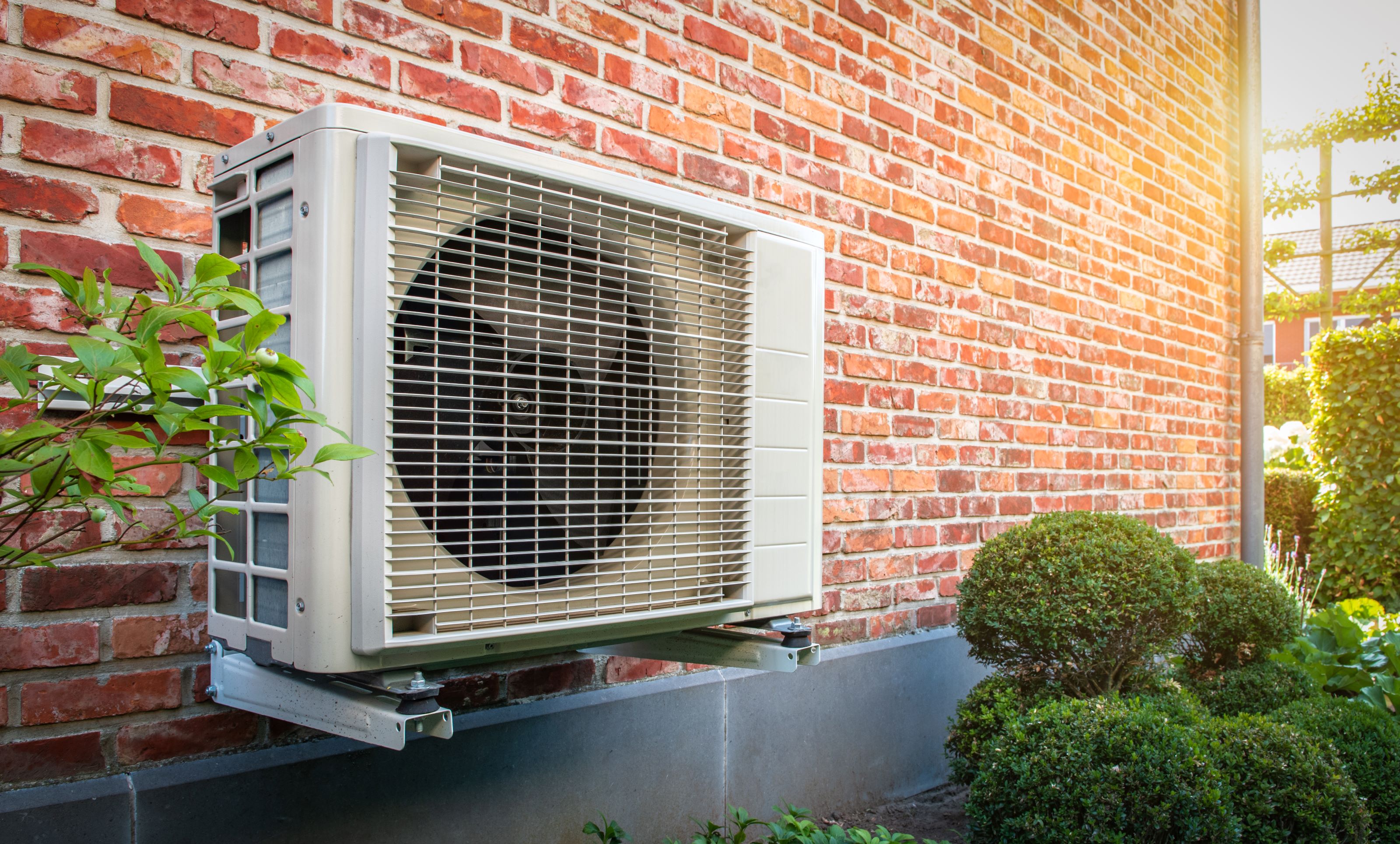
In also to their functional benefits, heat pumps are also noted for their environmental advantages. By using pre-existing heat in the environment, they use less electricity, leading to lower carbon emissions and energy bills. With Informative post offering rebates and tax incentives, many homeowners are considering heat pumps as a sustainable option for their heating and cooling needs, positioning them as a feasible choice for the next generation of home energy solutions.
Effectiveness and Performance Comparisons
When comparing heat pumps to traditional HVAC systems, their effectiveness is often emphasized as one of their primary advantages. Heat pumps operate by moving heat rather than generating it through combustion, which allows them to attain a higher ratio of efficiency (COP). This means that for every unit of energy consumed, heat pumps can deliver multiple units of heating or cooling. In many cases, they can attain efficiencies of up to four times that of conventional heating systems, making them a more economical choice through time.
Performance in diverse climate conditions is another critical factor to consider. In mild climates, heat pumps perform well year-round; however, their effectiveness declines in extreme temperatures. Nevertheless, improvements in technology have improved the performance of heat pumps in colder climates, such as those found in Colorado. Modern cold climate heat pumps can function efficiently even when outdoor temperatures fall significantly, providing reliable heating without substantial energy loss.
The initial installation costs can be a worry for homeowners considering heat pumps. While they may be more expensive than those of traditional systems, the long-term reduction in costs on energy bills and the potential for government rebates and tax credits make the investment more appealing. Additionally, the durability and lower maintenance needs of heat pumps add to their overall value. Homeowners can anticipate a strong ROI when transitioning to this advanced heating and cooling system.
Installation and Maintenance Essentials
Establishing a heat pump requires careful consideration of several elements to ensure optimal efficiency. It is essential to select the right size heat pump for your home, as an improperly sized unit can lead to inefficient operation and increased energy costs. Engaging a experienced installer can help you assess your specific heating and cooling needs based on your home’s design, insulation, and local climate conditions. Additionally, you should evaluate the type of heat pump that meets your needs, whether it be air source or ground source, as this can impact both the difficulty of setup and long-term effectiveness.
The setup procedure typically entails selecting an appropriate place for the indoor and outdoor units, ensuring proper spacing, and installing necessary ductwork if you're using a ducted system. Installation timeframes can change, but most systems can be established in one to two days. Proper placement is essential to eliminate potential complications down the line, so putting resources into in a dependable heat pump installer plays a vital role in maximizing your system's performance from the start.
Routine maintenance is key to ensuring the durability and effectiveness of your heat pump. Homeowners should arrange annual servicing to check for refrigerant leaks, clean coils, and inspect electrical systems. It is also important to keep the outdoor unit free from obstruction and ensure sufficient airflow around it. Simple chores like changing filters regularly can significantly enhance the system's effectiveness. By maintaining your heat pump properly, you can enjoy reliable comfort year-round while also reducing energy bills and prolonging the life of your investment.