

While homeowners pursue productive ways to achieve comfort, heating pumps have become as a game-changing solution for continuous heating and cooling. https://airsourceheatpumpsyorkshire.com/ do these systems provide a versatile alternative to traditional HVAC methods, but they also offer substantial possibilities for energy savings and environmental benefits. With advancements in technology, heat pumps are increasingly popular, making it important for homeowners to understand how they work and their advantages.
In this detailed guide, we will explore the ins and outs of heat pumps, from their efficiency compared to traditional systems to the multiple types available, such as air source and ground source units. Whether you're considering a new installation or aiming to upgrade your existing system, we will provide you with valuable insights into size considerations, installation costs, maintenance tips, and even potential rebates available for homeowners. Discover how heat pumps can not just lower your energy bills and enhance your home's comfort, making it into a cozy oasis no matter the season.
Comprehending Heat Pumps
Heat pump systems are cutting-edge systems that provide both warmth and chilling for homes by transferring heat rather than producing it. They use a thermal cycle to move heat from one place to another, efficiently extracting heat from the outside air or ground during chilly months and releasing it indoors. In warmer months, the process is inverted, allowing the heat pump to act as an air conditioner, taking away heat from the interior and venting it outside. This dual functionality makes heat pumps a adaptable choice for year-round climate control.
One of the key benefits of heat pumps is their energy efficiency. Unlike conventional HVAC systems that rely on fossil fuels or electric resistance heating, heat pumps can produce several amounts of heat for every unit of electricity expended. This efficiency is measured by the COP, which indicates how well a heat pump operates in different conditions. Increased COP values mean more efficiency, making heat pumps an appealing option for homeowners looking to reduce their energy bills and carbon footprint.
Furthermore, heat pumps come in multiple types, including air source, ground-sourced, and hybrid systems, each suited to particular needs and climates. Grasping these options is crucial for homeowners considering installation. Air source heat pumps are generally easier on the wallet and easier to install, while ground source (or geothermal) heat pumps provide exceptional efficiency over time but can entail a greater upfront investment. By exploring these types, homeowners can make informed decisions about which heat pump best fits their lifestyle and energy aspirations.
Setup and Maintenance
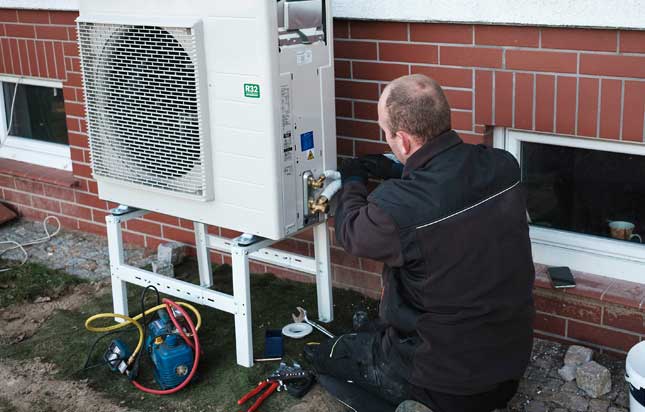
Installing a heat pump needs thorough planning and consideration to ensure optimal performance and longevity. Homeowners should start by evaluating their needs and understanding the various types of heat pumps available, such as air source and ground source systems. It is vital to choose a dependable heat pump installer who can guide you through the selection process, take accurate measurements of your space, and recommend the right size for your home. Proper sizing is critical since an too large or insufficient unit can lead to inefficiencies and increased energy costs.
Once the heat pump is installed, regular maintenance is crucial to maximizing its lifespan and efficiency. Homeowners should schedule annual inspections, which typically include maintaining filters, checking refrigerant levels, and ensuring the system is functioning correctly. Keeping the outdoor unit clear of debris and ensuring proper airflow is also important. Following a maintenance checklist can help identify potential issues early and prevent expensive repairs down the line.
In addition to routine maintenance, homeowners should be aware with common heat pump issues. Grasping how to fix minor problems can save time and money. For instance, if the system isn't heating or cooling properly, it may only require a reset or a filter change. Many manufacturers offer guidelines for regular checks, and consulting the owner's manual can be a helpful resource. Staying ahead about maintenance and awareness of common issues can significantly enhance the performance and reliability of your heat pump.
Cost and Efficiency Analysis
As you assess a heat pump for your home, comprehending the economic implications and effectiveness is essential. Heat pumps often have a increased initial installation cost compared to traditional HVAC systems, but they provide long-term savings through lowered energy bills. On average, you might expect to spend between five thousand to $15,000 dollars for installation, depending on the kind of heat pump and your home’s specific needs. However, a lot of homeowners realize that the initial investment pays off over time due to reduced operational costs.
Effectiveness is a key selling point for heat pumps, particularly when contrasting with conventional heating systems. Heat pumps function on electricity and can transfer heat rather than producing it, allowing them to achieve efficiencies of three to four times the energy input. This means that for each unit of electricity consumed, they can provide numerous units of heating or cooling energy. This elevated efficiency is particularly beneficial in temperate climates, but advancements have also boosted their performance in colder regions.
Homeowners can also amplify the financial benefits of heat pumps by taking utilizing available rebates and tax credits, making the transition even more appealing. The ROI of installing a heat pump generally improves over time as energy prices change, and with regular maintenance, homeowners can boost their system’s lifespan, ensuring dependable comfort while keeping costs under control. Thus, investing in a heat pump not only adds to a cozy living environment but also stands for a smart financial decision in the long run.