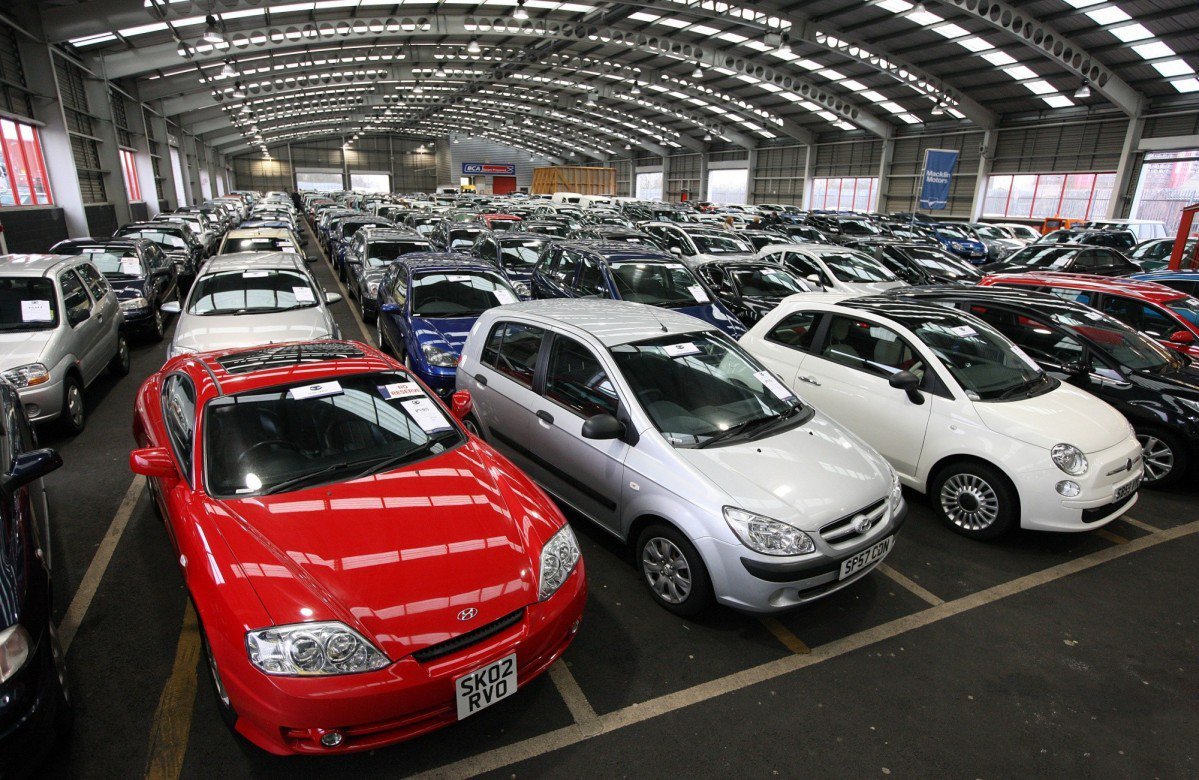
Buying a used car can be an exciting yet daunting experience, especially with the multitude of options available and the significant investment involved. As the car landscape continues to change, the year 2026 brings distinct opportunities for shrewd buyers. Whether you're a new driver searching for the top used cars or a experienced buyer seeking reliability on a tight budget, traversing the used car market requires knowledge and preparation.
In this manual, we will discuss essential tips for locating trustworthy vehicles, how to examine potential acquisitions, and the distinctions between certified and non-certified used cars. From comprehending how mileage impacts value to evaluating whether an extended warranty is worth it, we’ll discuss everything you need to make knowledgeable decisions. Join us as we turn clunkers into classics and revamp your used car experience in the most fulfilling way possible.
Essential Advice for Acquiring Used Cars
When venturing into the used car market, it's important to do your research beforehand. Determine the specific brand and model you are interested in, and check their market value using tools like Kelley Blue Book or Edmunds. This will help you set a reasonable budget and give you strength during the bargaining process. Additionally, reading Used Cars For Sale Worcester and reliability ratings can steer you toward the right selections for your needs, whether it's for going to work, family outings, or a first-time vehicle.
Once you've filtered your options, it's time to check the vehicles. Book a test drive to assess the car's performance, comfort, and features. During the check-up, pay close attention to any unusual noises or handling issues. Don't hold back to look under the hood—check for any evidence of leaks, corrosion, or worn belts. A thorough visual inspection inside and outside is also important. If Go to this site about what to check, it's wise to bring along a trusted mechanic or employing a comprehensive checklist to ensure you cover all details.
Finally, it's important to review the vehicle's history report. This report provides key information about the car's past, including accidents, service records, and title status. A clear history can give you peace of mind, while any warning signs may dissuade you from making a purchase. Coupled with this, be ready to negotiate the price. Grasping the market value and having similar prices in mind will allow you to strike a fair deal. Buying used cars can be a satisfying experience if you approach it with attention and preparation.
The Buying Process: Inspection and Financing
An essential critical steps in purchasing a used car is the inspection process. Before making a decision, it's important to conduct a thoroughgoing examination of the vehicle. Examine the exterior for any signs of deterioration, rust, or poor paint jobs that could indicate previous accidents. Also remember to assess the interior as well; look for signs of wear on the seats, dashboard, and controls. Additionally, inspect under the hood for any leaks or corrosion, and verify that all fluid levels are sufficient. If you are not confident in your ability to evaluate the car's condition, consider hiring a certified mechanic to conduct a pre-purchase inspection.
Once you’ve found a used car that meets your needs and passes inspection, it’s time to explore financing options. Understanding how to fund used cars can reduce costs in the long run. Begin by checking your credit score, as this will impact the interest rates you receive. There are a variety of financing options to explore, including bank loans, credit unions, and dealership financing. Each option has its benefits and drawbacks, so take the time to review the options. Often, getting pre-approved for a loan can give you better leverage when negotiating the purchase price.
To wrap up, always ensure you have the necessary documents in order before finalizing your deal. You will need a valid driver’s license, proof of insurance, and documents related to the vehicle such as the title and vehicle history report. Moreover, be prepared for the paperwork involved in the financing process, including credit contracts and payment schedules. Having everything prepared will make the buying experience more seamless and more efficient, allowing you to enjoy your new vehicle.
Top Pre-owned Automobiles for All Motorist
When seeking for the top second-hand vehicles, it's important to think about the specific requirements of different drivers. For first-time drivers, compact sedans like the Toyota Corolla offer dependability, great fuel savings, and convenience of operation. These cars are often budget-friendly and have a history for durability, making them ideal for inexperienced drivers who are navigating the roads for the first time.
For households, roomy SUVs or minivans are often the top selections. The CR-V provide sufficient room for people and cargo, as well as modern safety features. These cars typically score well in crash tests and offer flexibility for group outings, ensuring comfort and security during regular commutes or long journeys.
Individuals looking for fuel economy without giving up comfort should consider small cars or economy cars. Types like the Ford Focus strike a harmony between size size, economical fuel consumption, and pleasurable driving rides. With rising fuel costs, these options not only help cut on gas but also make metropolitan driving and stopping much easier.