

In an age where eco-friendliness is more crucial than ever, effective waste management has become a central concern for individuals, companies, and societies alike. The process of handling waste is not just about getting rid of it; it embodies the transformation of discarded materials into valuable resources. By embracing innovative waste management solutions, we can turn what is often considered waste into treasure, fostering a healthier planet and promoting financial efficiency.
This guide will explore the variety of modern waste management solutions on the market today, from basic practices suitable for beginners to more sophisticated techniques that can greatly elevate a company's sustainability efforts. Understanding why efficient waste management is important is essential not only for businesses looking to enhance their operations but also for households aiming to reduce their environmental impact and save money. As we delve deeper, we will uncover ten practical ways to improve waste management practices that everyone can implement, no matter where they stand in their journey towards sustainable living.
A Significance of Proper Waste Management
Effective waste disposal is essential for preserving a clean surrounding and promoting public safety. Poor waste management can lead to contamination, risks to health, and a decline in overall quality of life. Companies that neglect proper waste management may face legal issues and financial losses, impacting their image and bottom line. By understanding the importance of waste disposal, companies can reduce risks and foster a safer environment.
Adopting efficient waste disposal methods also plays a vital role in conserving resources. By reducing, repurposing, and recovering waste materials, businesses and individuals contribute to a more sustainable future. This not only helps reduce the environmental impact of waste disposal but also promotes a sustainable economy where materials are continuously recycled. As such, each effort to enhance waste management contributes to the fight against climate change and supports the planet's health.
Moreover, effective waste management can lead to cost savings for both businesses and households. By improving the separation of waste and promoting recycling programs, organizations can reduce disposal fees and increase their earnings. For https://notes.medien.rwth-aachen.de/dGIgthGjSVWgpe52JvP2pA/ , implementing waste reduction at home can significantly lower costs associated with buying new products. Overall, making a commitment to improved waste management practices yields benefits that extend past immediate surroundings, fostering a more sustainable and economically viable future.
Innovative Strategies for Refuse Minimization
New waste minimization strategies are crucial for both people and organizations seeking to reduce their environmental footprint. A effective method is embracing the concept of zero waste practices, which encourages the redesign of how resources are managed to get rid of waste. This strategy centers on diminishing usage, repurposing items, and recycling materials to ensure eco-friendly living. By adopting zero waste living practices, households can greatly reduce the quantity of refuse they produce, saving money and helping create a healthier planet.
An additional strategy involves the inclusion of smart waste management strategies powered by tech. Sophisticated technologies enable municipalities and businesses to monitor waste disposal trends and optimize pickup routes, resulting in greater efficiency and reduced costs. High-tech bins equipped with smart technology can alert refuse services when they are at capacity, lowering excess disposal runs and energy consumption. This digital transition not only streamlines operations but also fosters better trash sorting, ultimately leading to better recycling rates and decreased dump burden.
Involving localities and organizations through educational activities is also crucial in encouraging effective waste management. Workshops and initiatives that teach people about effective recycling methods, refuse classification, and composting can explain the importance of waste minimization. Local schools and local governments can play a essential role in these efforts, building a culture of eco-friendliness and inspiring community members to embrace sustainable methods. By boosting awareness and making available easy to understand information, groups can work together to significantly decrease waste output and improve their sustainable responsibility.
The Future of Waste Management Solutions
The of waste disposal strategies is set to be driven by innovative techniques that boost effectiveness as well as performance. Innovations like machine intelligence and algorithmic solutions are likely to have a critical part for improving refuse collection and sorting processes. Smart sensors and IoT devices are able to deliver instant data on refuse quantities in receptacles, facilitating dynamic routing for waste collection vehicles as well as diminishing unneeded journeys. Such a effectiveness not only reduces expenses for refuse disposal services but also lowers the environmental effects related to fuel consumption.
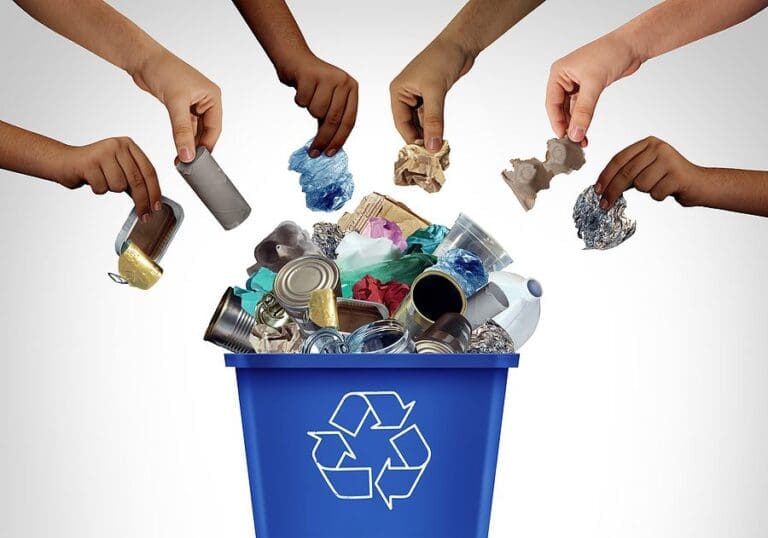
Besides technology, the growth of circular economic concepts is transforming how we think concerning waste. Businesses will increasingly implement sustainable approaches that focus on cutting , reusing, as well as reprocessing materials instead merely disposing of such items. This transition will see organizations investing sustainable packaging and building renewable systems that keep products as well as resources utilized for increased periods of time. With understanding grows about the significance of sustainability, consumers are likely to demand more transparency from businesses, encouraging them to implement eco-friendly waste management plans that are consistent with eco-conscious principles.
Moreover, partnership between cities, industries, and non-profits is becoming vital in crafting integrated waste handling strategies. Grassroots programs are able to drive local recycling efforts as well as educational programs, nurturing a community of sustainable practices. By joining forces, participants may transfer best practices and resources to enhance waste sorting as well as reduce contamination levels. As we, the focus is set to be not merely on handling garbage but also on converting it into a useful resource, creating opportunities for novel approaches which foster simultaneously financial growth and eco-friendly practices.