

Selecting the right flooring for your home can seem intimidating with countless selections available, but it is one of the most significant decisions you will make in your interior design adventure. Flooring establishes the groundwork for your environment, shaping not just the style but also the use and comfort of your house. From the coziness of hardwood to the resilience of laminate, each flooring type brings its unique pros and drawbacks.
In this definitive guide to picking the best flooring for your living space, we will examine a variety of materials and styles, taking into account everything from modern trends to cost-effective options. Whether you are looking to build a snug sanctuary, a sleek minimalist space, or a welcoming area for pets and kids, this guide will assist you navigate the pros and cons of different flooring types. You will additionally learn how to maintain your floors properly to make them seeming their finest for years to come. Let's immerse into the realm of flooring and explore how to elevate your spaces with the most suitable choices for your habits.
Flooring Types Comparison
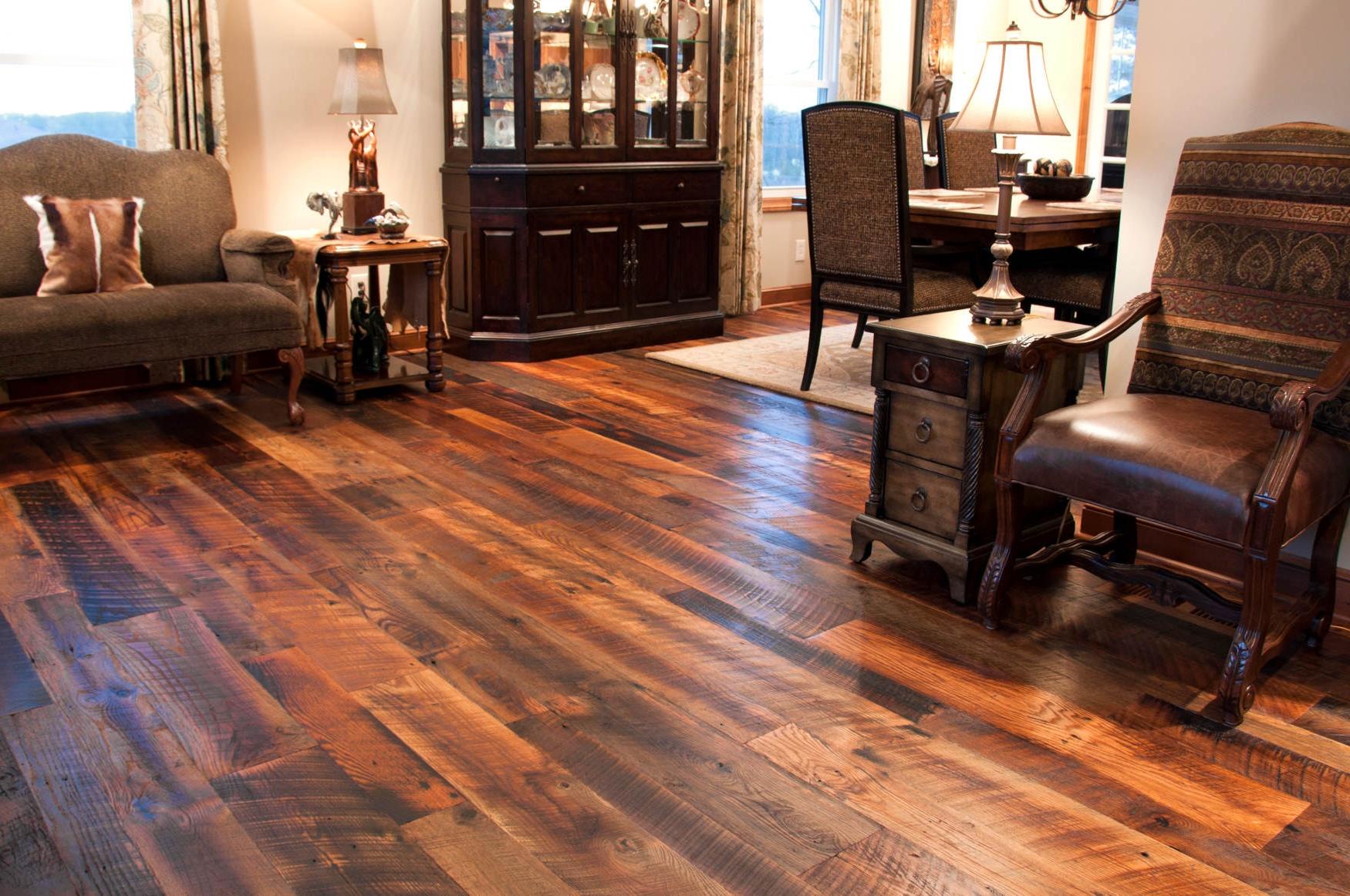
When flooring for the residence, understanding the different types is essential. Hardwood is often synonymous with luxury and warmth, delivering a durable aesthetic that's hard to beat. Its durability and capability to be refinished render it a good investment for many homeowners. On the flip side, it can come with a steeper price and demands upkeep to keep it at its best. Alternatively, laminate flooring offers a cost-effective alternative, replicating the visual appeal of hardwood without the cost and upkeep. It is durable against scratches and simple to set up, which makes it a favorite option for homes with kids and animals.
Tile is yet another alternative, particularly valued for its adaptability and toughness. It's available in a wide range of designs, colors, and formats, allowing for creative designs in any space. Tile is notably great for areas prone to water exposure, like kitchens and bathrooms. However, it can be cold underfoot and may need greater effort to set up. Vinyl flooring, including luxury vinyl plank options, has gained popularity on account of its low cost and user-friendliness. It is resistant to water, making it ideal for various settings, and is offered in diverse styles that can mimic natural materials.
Carpeting remains a traditional selection in the flooring category, recognized for its comfort and warmth. It can help with sound insulation and is available in various colors and fabrics to match every style. On the other hand, it may not be the most suitable selection for spaces that see a lot of use as it is prone to damage from frequent use. For those interested in sustainability, eco-friendly flooring options are also available, including bamboo and cork, which offer individual appearances that are kinder to the planet. Ultimately, the best flooring choice depends on your personal preferences, way of life, and monetary limits.
Developments and Improvements in Floor Coverings
The floor covering sector is constantly evolving, with emerging trends and improvements surfacing to meet the requirements of contemporary homeowners. One notable trend is the increased acceptance of luxury vinyl plank flooring, celebrated for its lifelike wood-like look and strength. Homeowners are attracted to its waterproof attributes, making it an excellent choice for kitchens and bathrooms, while also being affordable. Vinyl flooring advancements have upgraded aesthetics, providing a variety of styles and finishes that can accommodate various interior designs.
Sustainability is another key concern in flooring innovations. Eco-friendly materials, such as organic bamboo and reclaimed timber, are becoming popular among eco-aware consumers. These materials not only minimize waste but also contribute to a safer indoor space. Companies are increasingly offering items that use less energy and reduce carbon footprints, appealing to those looking to build green homes without sacrifice on design.
Smart flooring is gaining popularity, melding technology into daily living spaces. Developments include flooring with built-in heating systems, customizable lighting options, and also smart surfaces. These advancements cater to the increasing demand for connected home technology, allowing homeowners to enhance convenience. As Great site continues to evolve, it is probable that flooring solutions will become even more integrated into our mundane activities, transforming the way we understand and utilize these necessary home elements.
Maintenance and Setup Tips
To ensure your floors endures and maintains its beauty, regular care is essential. For hardwood and laminate floors, debris and debris should be removed frequently using a gentle broom or a vacuum cleaner with a wood floor setting. For tile and synthetic flooring, a damp mop with a suggested by the manufacturer cleaner can keep surfaces sparkling without harming them. It's vital to quickly address spills and stains to prevent long-term damage and to follow specific cleaning guidelines for the type of flooring you have to preserve its quality.
When putting in new floors, proper preparation of the subfloor is key. Make sure the underfloor is free of dirt, dry, and level before installing your new flooring. If necessary, use a self-leveling compound to patch any low spots. Acclimating the flooring material to the room’s temperature and moisture beforehand can also prevent issues like warping or distorting once installed. Always read the manufacturer's guidelines on installation to prevent common mistakes and ensure a successful project.
Lastly, consider employing professionals for the installation if you're uncertain about doing it on your own. Experienced installers bring expertise and experience, reducing the likelihood of errors. They can also help with challenging tasks such as taking out old floors or customizing layouts. Whether you opt for a DIY approach or hired assistance, the right installation will greatly enhance the durability and appearance of your floors.